Open today · 09:00–18:30

Dolphin Whale Watching Fuerteventura

Dolphin & Whale Watching Fuerteventura — Atlantic Sailing Cruises

Cetacean encounters off volcanic shores, snorkel stops in open water

50K+ travelers chose this
Free Cancellation
Right now: Moderate — autumn season Ensure you arrive within the recommended window for optimal sighting conditions.
Free Cancellation
Free cancellation Instant confirmation Mobile voucher Verified partner Skip-the-line
09:00-18:30
Opening Hours
Daily operating hours
0 EUR
Entrance Fee
Commercial tour prices vary
09:00-11:00
Best Arrival
Calmer seas and better sightings
2 Locations
Departure Ports
Puerto de Morro Jable/Corralejo
Choose your ticket

Dolphin Whale Watching Fuerteventura tickets at a glance

Compare fares, pick the fit — all bookings are mobile-voucher and eligible for free cancellation where shown.

Atlantic Dolphin & Whale Watching with Snorkeling 2 hr
Standard Entry

Atlantic Dolphin & Whale Watching with Snorkeling

4.6 (4221)
$57
  • Entry ticket
  • Mobile voucher
  • Valid same day
  • Free cancellation
Book this ticket
Fuerteventura Sailing Adventure with Dolphin Spotting & Snorkeling 3 hr 30 min
Standard Entry

Fuerteventura Sailing Adventure with Dolphin Spotting & Snorkeling

4.7 (1195)
€88
  • Entry ticket
  • Mobile voucher
  • Valid same day
  • Free cancellation
Book this ticket
Compare options

Compare Dolphin Whale Watching Fuerteventura ticket options

Experience DurationRatingPickupGuideSmall groupFree cancel. Price
Standard Entry
Most popular
Dolphin & Whale Watching Cruise with Swim Stop
2 hr★ 4.2 $56 Book →
Standard Entry
Atlantic Dolphin & Whale Watching with Snorkeling
2 hr★ 4.6 $57 Book →
Standard Entry
Fuerteventura Sailing Adventure with Dolphin Spotting & Snorkeling
3 hr 30 min★ 4.7 €88 Book →

Is Dolphin Whale Watching Fuerteventura Worth the Investment?

Worth it for marine life enthusiasts and families

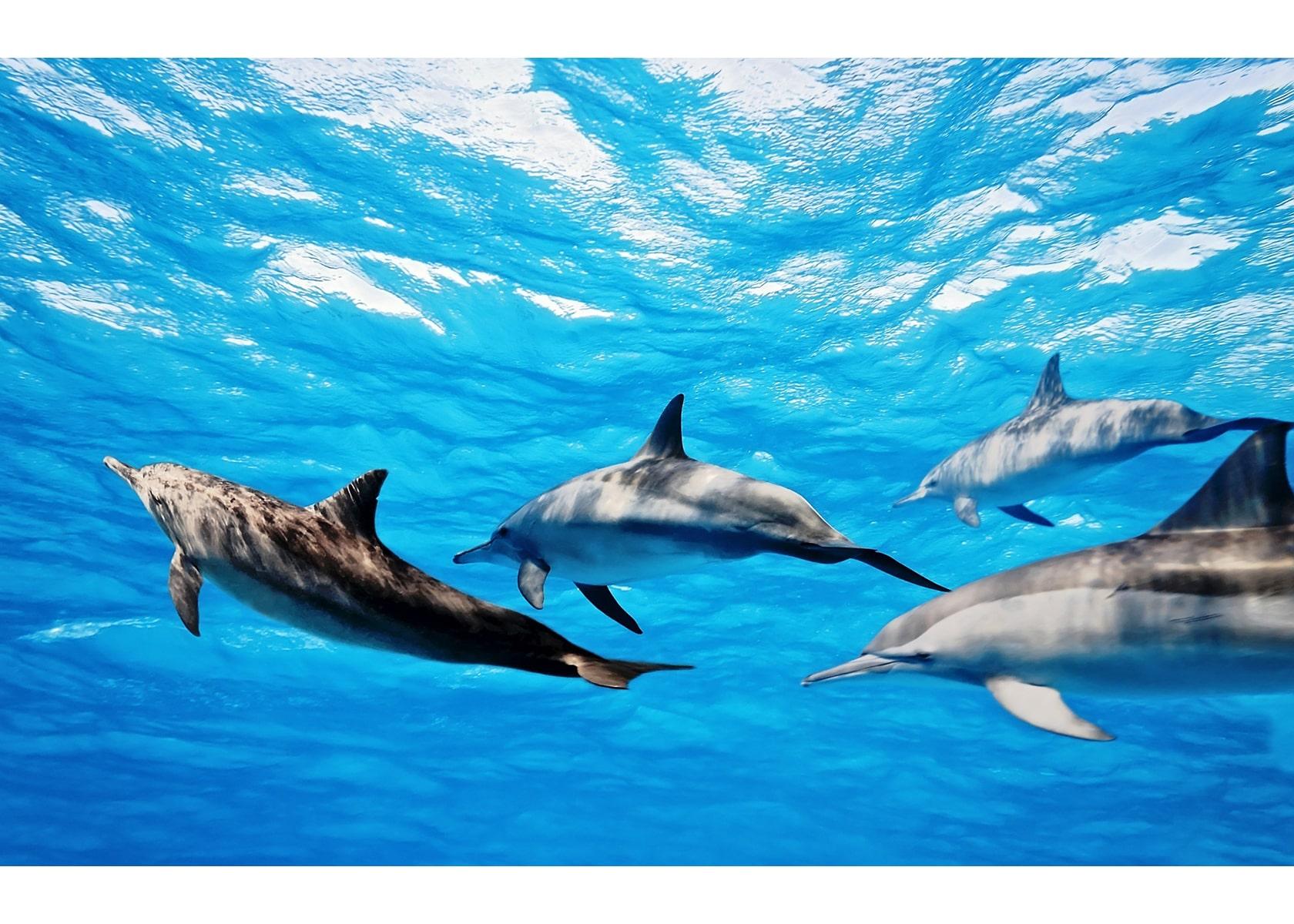
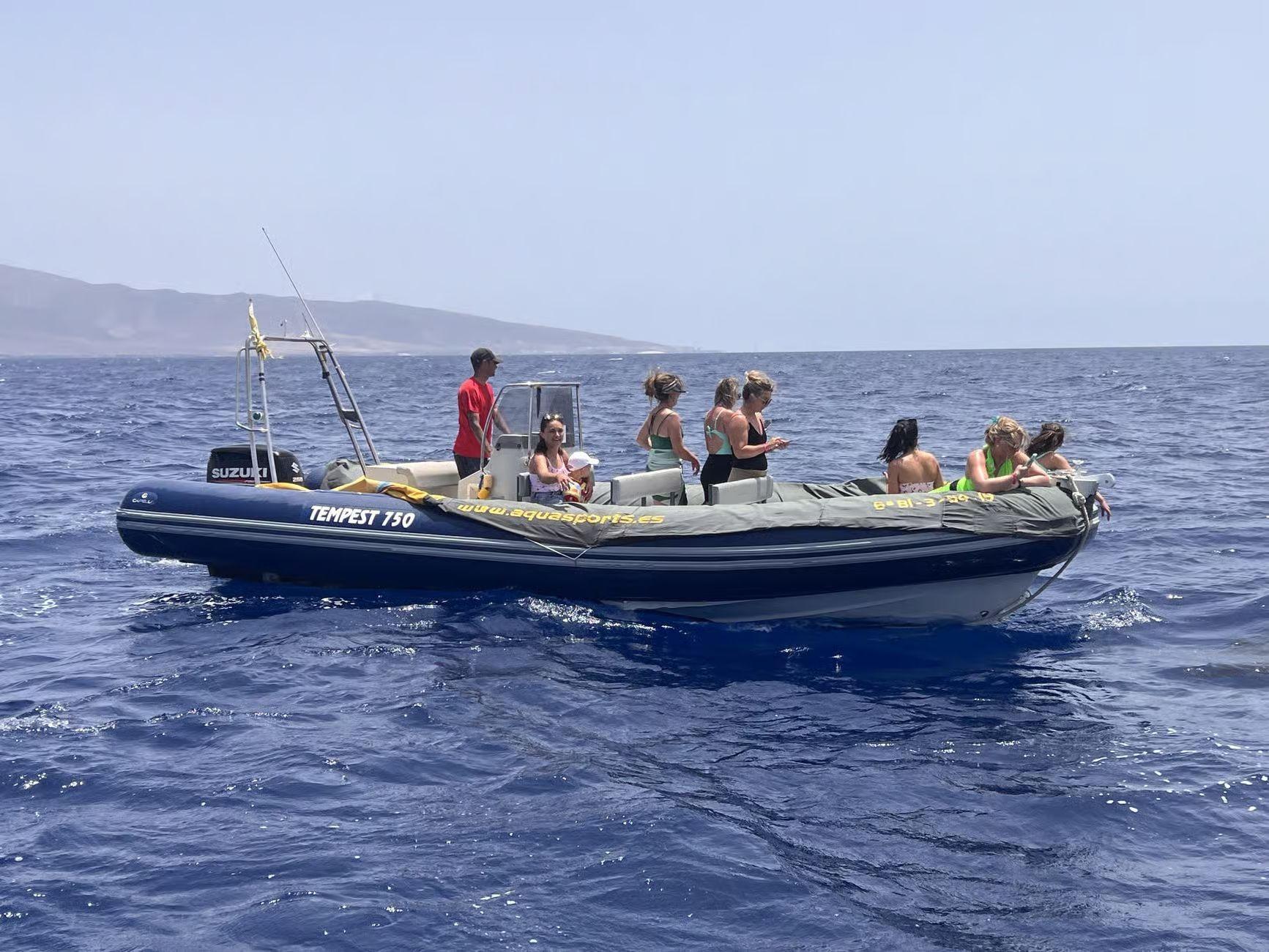
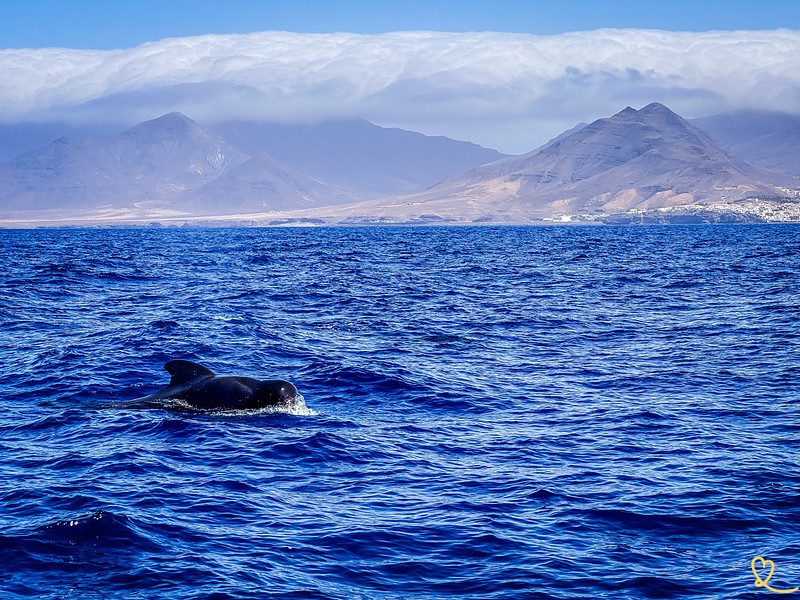
Dolphin whale watching Fuerteventura delivers genuine Atlantic wildlife encounters rather than guaranteed sightings—professional crews navigate waters where pilot whales, bottlenose dolphins, and common dolphins frequently feed, with success rates around 85% on morning departures. The bookable options include combo experiences: some tours pair cetacean spotting with snorkeling stops at protected reefs or beaches near Lobos Island, while catamaran cruises offer spacious decks and swim platforms. Real value depends on boat type—sailing adventures provide quieter observation without engine noise disturbing marine mammals, while powered vessels cover more ground. Educational commentary from marine-certified guides elevates the experience beyond passive sightseeing, explaining migratory patterns and conservation challenges specific to the Canary Islands Marine Protected Area. For families, the blended itineraries justify higher pricing by keeping restless kids engaged with multiple activities across a three-to-four-hour window.

What makes it worth it

  • High cetacean encounter rates in protected Atlantic waters
  • Marine biologist commentary on local species and migration
  • Combo tours include snorkeling at volcanic reefs
  • Catamaran options offer stable platforms for all ages
  • Early morning departures mean calmer seas and active wildlife

Keep in mind

  • No refunds if dolphins don't appear
  • Choppy conditions possible even on calm-forecast days
  • Snorkel stops can feel rushed on shorter tours
  • Premium catamarans cost significantly more than basic boats

Bottom line: The Atlantic delivers frequent sightings and the combo format turns dolphin whale watching Fuerteventura tours into complete marine adventures rather than single-purpose excursions.

Head to head

Dolphin Whale Watching Fuerteventura vs Jet Ski Safari — Which Is Better?

They complement each other; most visitors who do both call the dolphin whale watching fuerteventura tour the more relaxing, nature-focused pursuit compared to the high-adrenaline jet ski safari.

Top pick
Whale Watching
Jet Ski Safari
Focus High-speed wave riding
Primary sensation Physical excitement
Duration 40 minutes – 1.5 hours
Typical group size 1–2 riders per ski
Suitable for Thrill seekers 16+
Departure points Corralejo or Jandia
Entrance fee 129–199 EUR (varies)

Verdict: Choose the dolphin whale watching fuerteventura tours if you prioritize serene sea life sightings, or select the jet ski safari for an active, individual experience on the water.

Featured Experiences

Popular Dolphin Whale Watching Fuerteventura tours & activities

Hand-picked experiences loved by thousands of travelers

Recommended Experience

Powered by GetYourGuide

Another traveler favorite

Powered by GetYourGuide
Dolphin & Whale Watching with Lobos Island Beach Stop 5 hours Free Cancellation

Dolphin & Whale Watching with Lobos Island Beach Stop

Spot cetaceans in Canary waters, then swim and feast on paella at a pristine island beach

4.6 (497)
FromFrom €75
See details
Whale & Dolphin Watching Catamaran Cruise 5 hours Free Cancellation

Whale & Dolphin Watching Catamaran Cruise

Sail between two Canary Islands searching for marine mammals, with paella and drinks included

4.5 (274)
FromFrom $86.14
See details
Fuerteventura Dolphin Watching Expedition from Costa Calma 2.5 hours Free Cancellation

Fuerteventura Dolphin Watching Expedition from Costa Calma

Speed across Atlantic waters searching for wild dolphins on this thrilling 2.5-hour coastal voyage

4.3 (263)
FromFrom $45.94
See details
Dolphin & Whale Watching with Snorkeling in Morro Jable 2 hours 30 minutes Free Cancellation

Dolphin & Whale Watching with Snorkeling in Morro Jable

Observe dolphins and whales in their natural habitat, then snorkel in pristine Fuerteventura waters

4.6 (84)
FromFrom $56.28
See details
Speedboat Wildlife Watching from Morro Jable 1.5 hours Free Cancellation

Speedboat Wildlife Watching from Morro Jable

Thrilling 90-minute speedboat adventure searching for dolphins, whales, and marine life off Fuerteventura's coast

4.7 (40)
FromFrom $51.69
See details
Fuerteventura Catamaran Sailing & Dolphin Watching 4.5 hours Free Cancellation

Fuerteventura Catamaran Sailing & Dolphin Watching

Half-day sailing adventure with marine wildlife encounters, swimming stops, and food aboard a small-group catamaran

4.7 (92)
FromFrom $113.71
See details
Lobos Island Dolphin Watching & Exploration 5 hours 30 minutes Free Cancellation

Lobos Island Dolphin Watching & Exploration

Speedboat adventure to Lobos Island with dolphin spotting, volcanic trails, and pristine beaches

4.2 (668)
FromFrom $82.7
See details
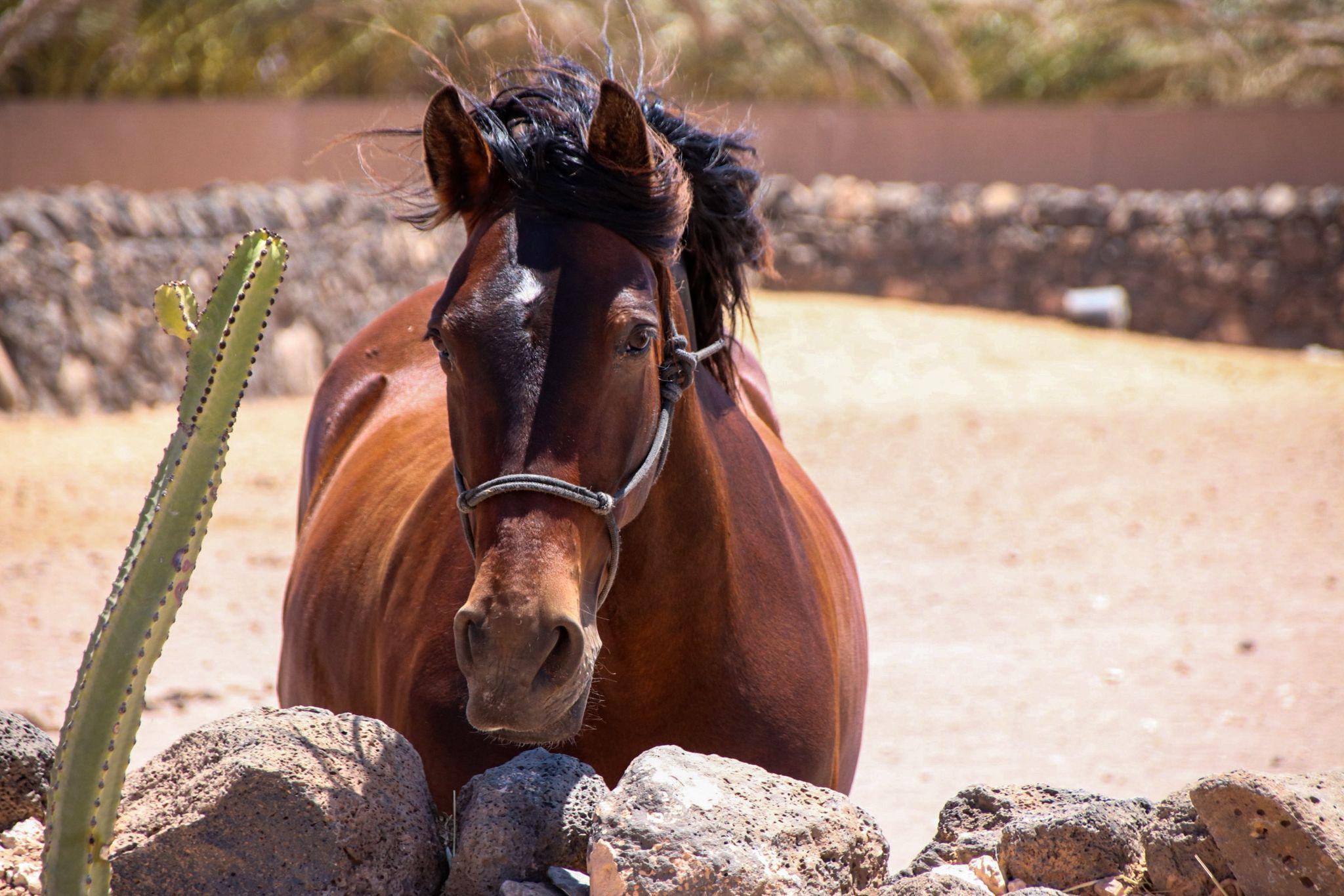
VIP Horseback Ride to El Cotillo Cliffs 2 hours Free Cancellation

VIP Horseback Ride to El Cotillo Cliffs

Intimate clifftop horseback adventure with welcome drinks, picnic, and Atlantic views for up to 2 guests

5 (19)
FromFrom €144.5
See details
The experience

What visiting Dolphin Whale Watching Fuerteventura is really like

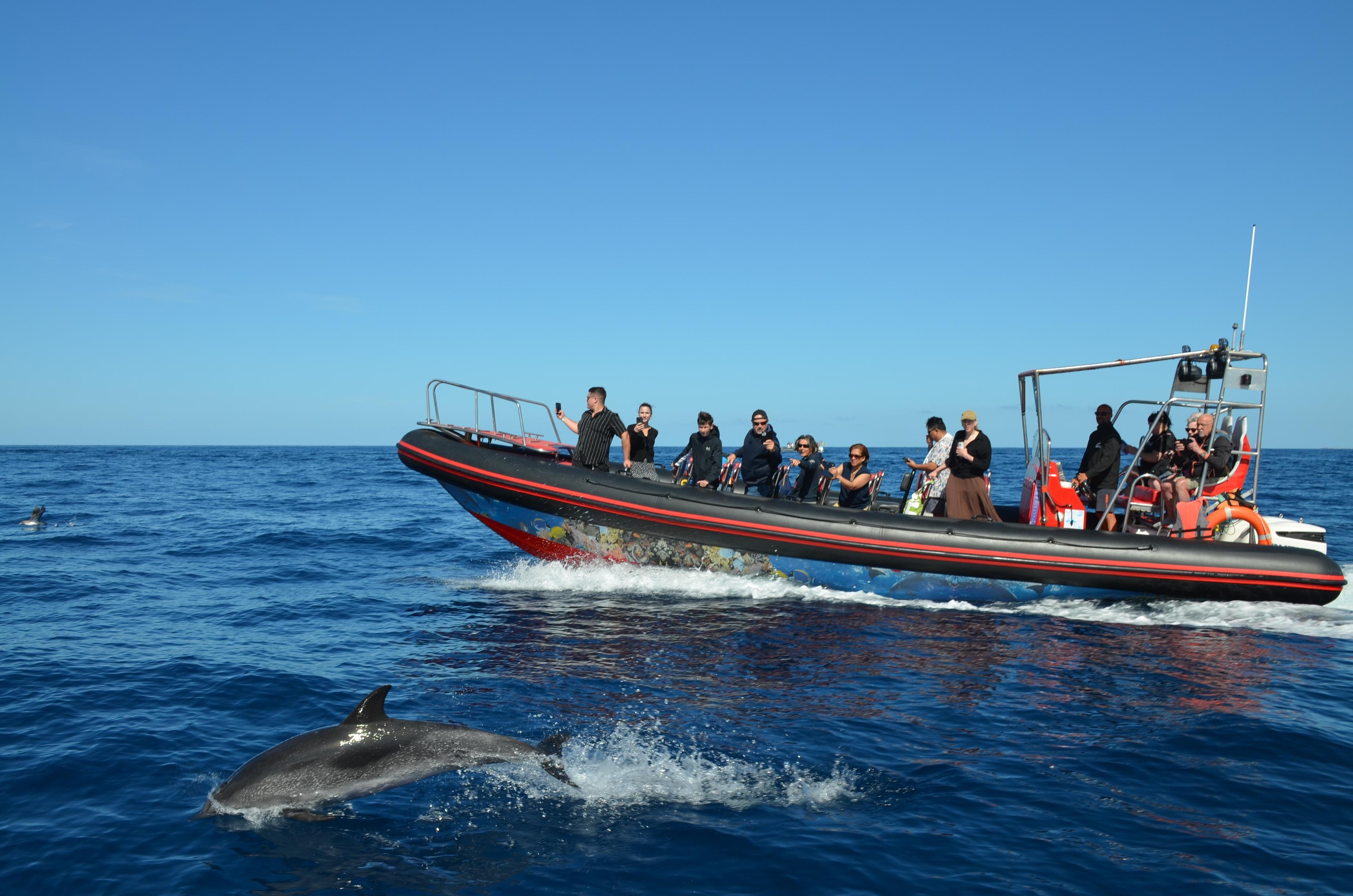
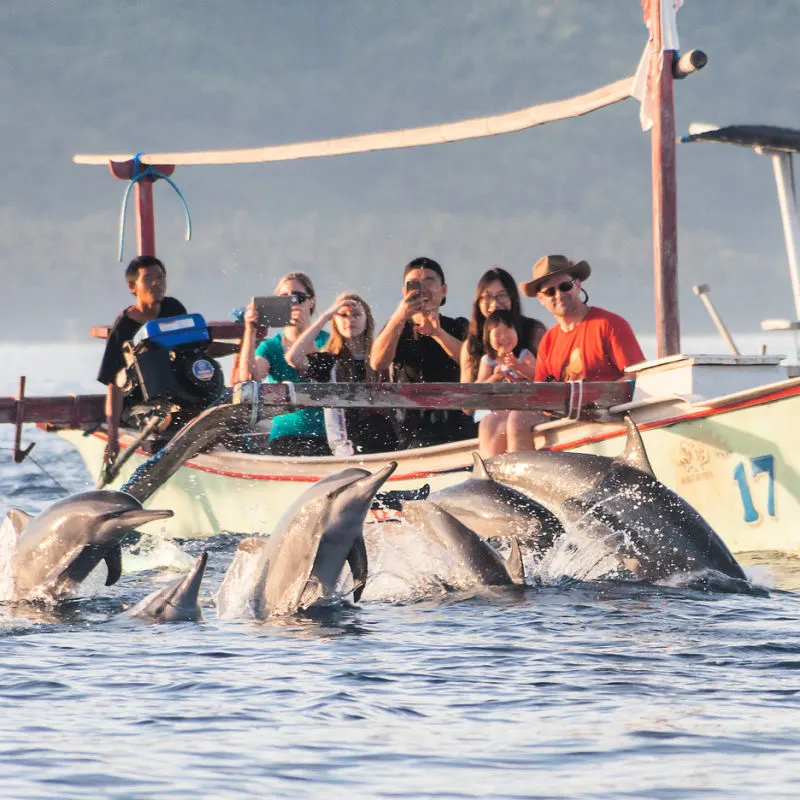
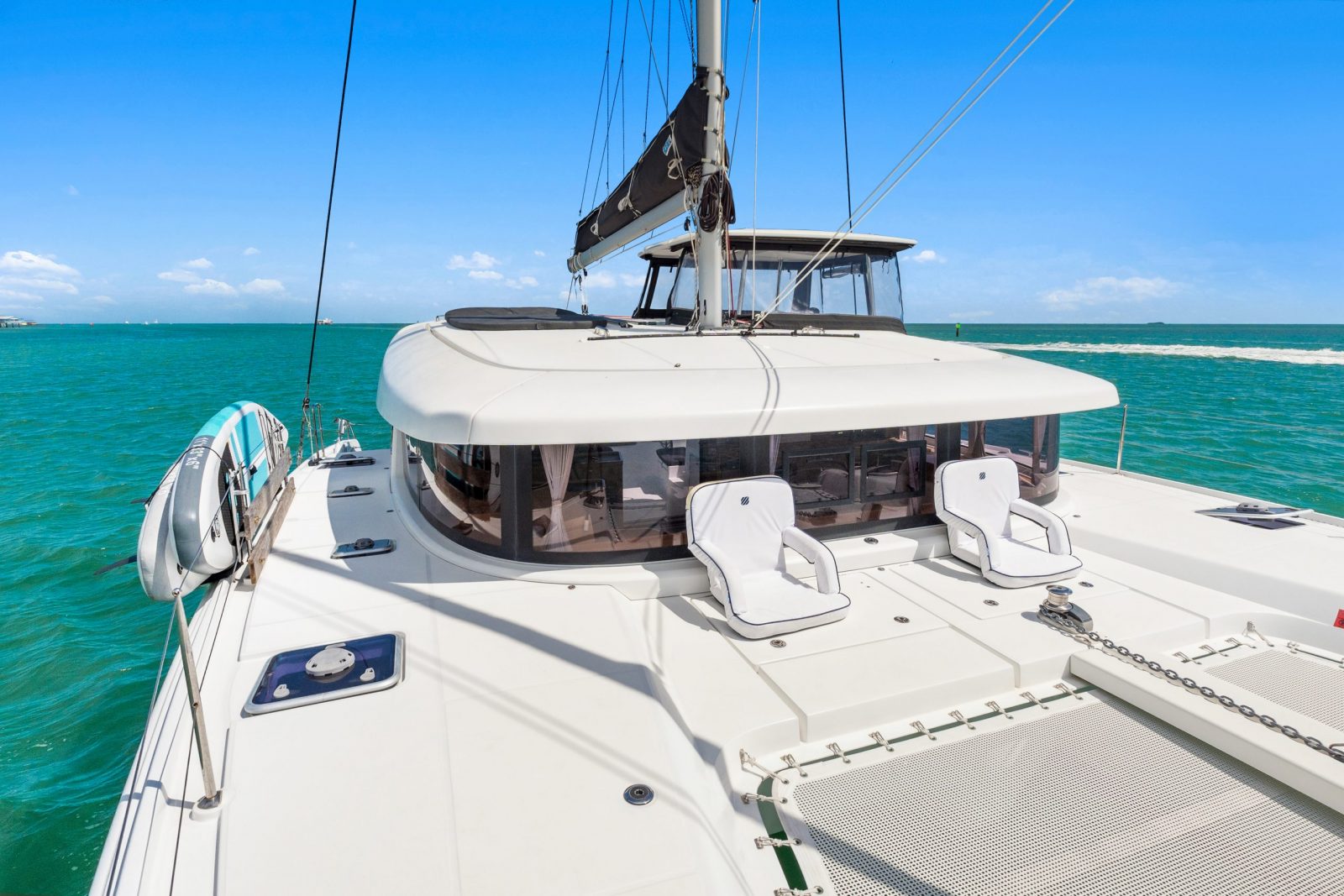
You board at Morro Jable harbor at 09:30, stepping onto a twin-hull catamaran with cushioned bow seating and a shaded upper deck. The crew briefs you on cetacean approach protocols and hands out polarized sunglasses to cut surface glare.

Read more Show less

Within 15 minutes, the vessel clears the harbor breakwater and the skipper throttles toward the Jandía seamount, a submerged ridge three nautical miles offshore.

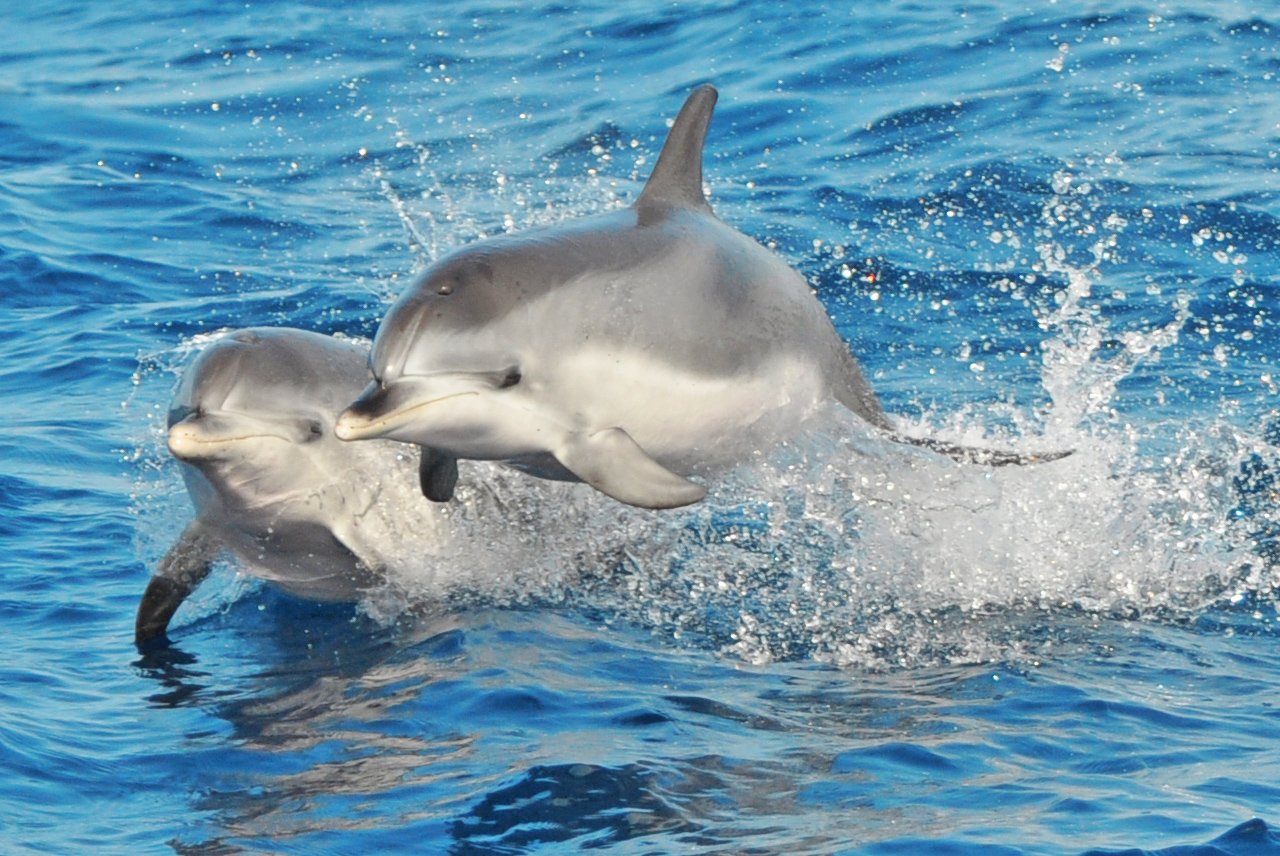
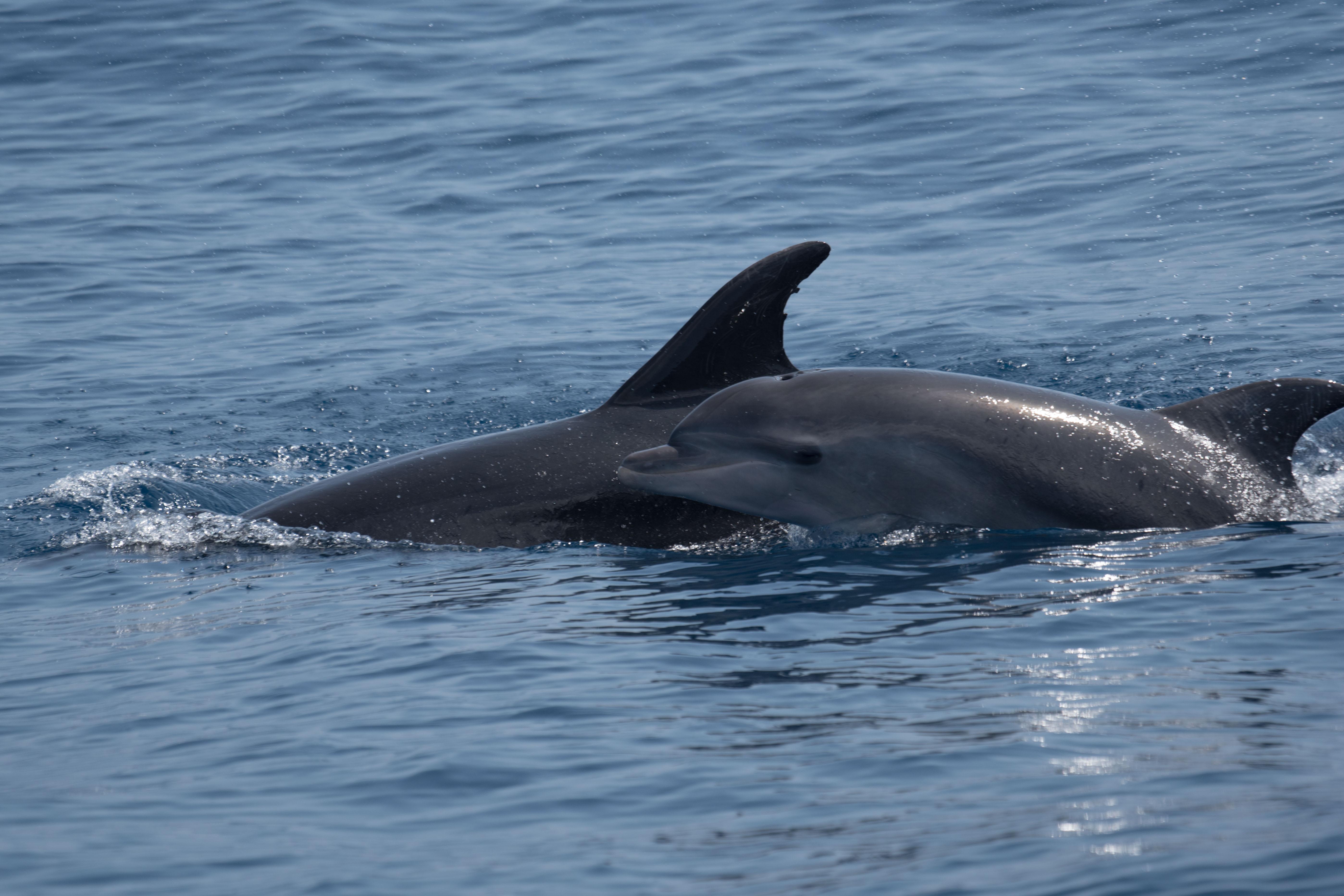
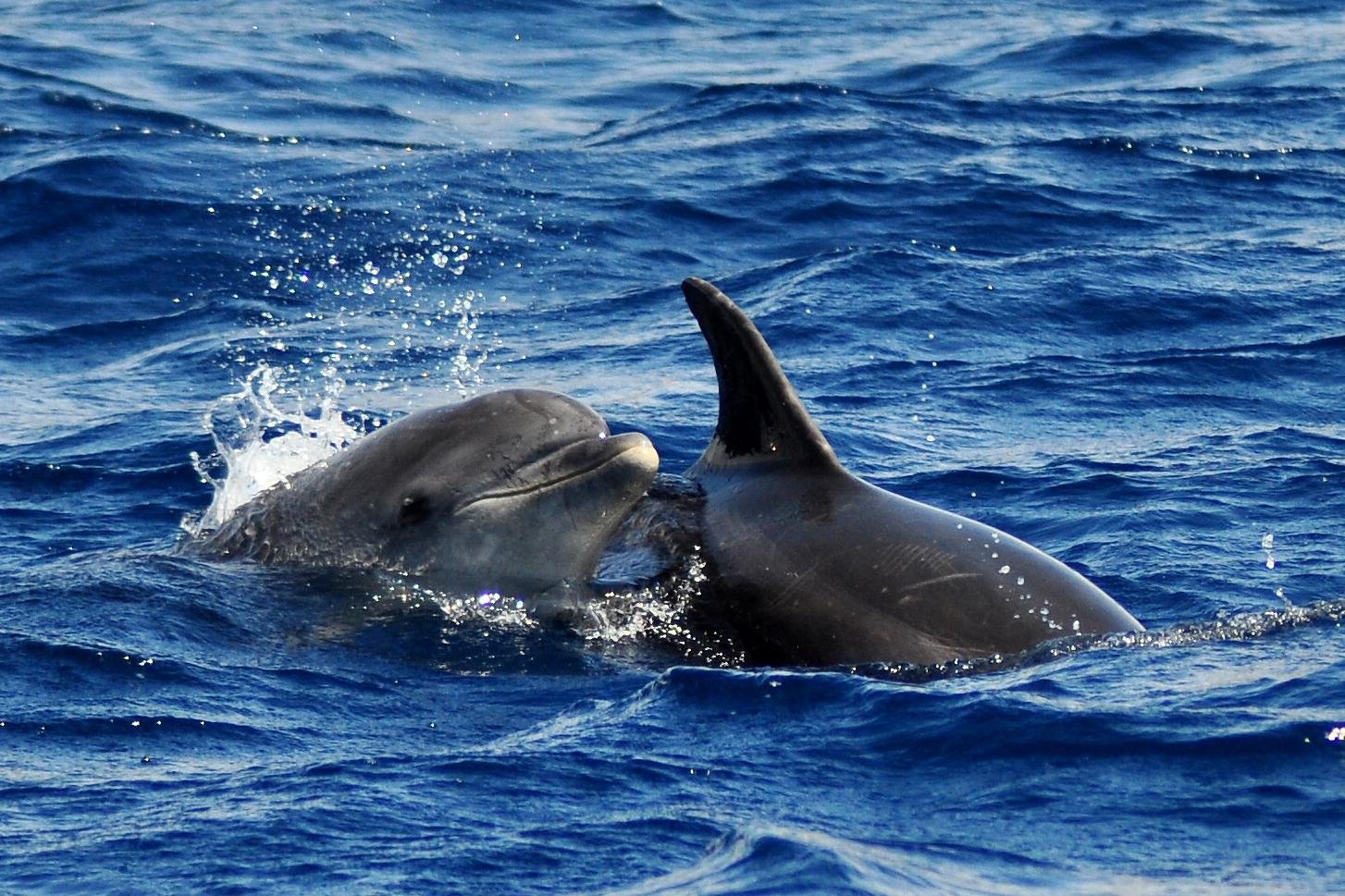
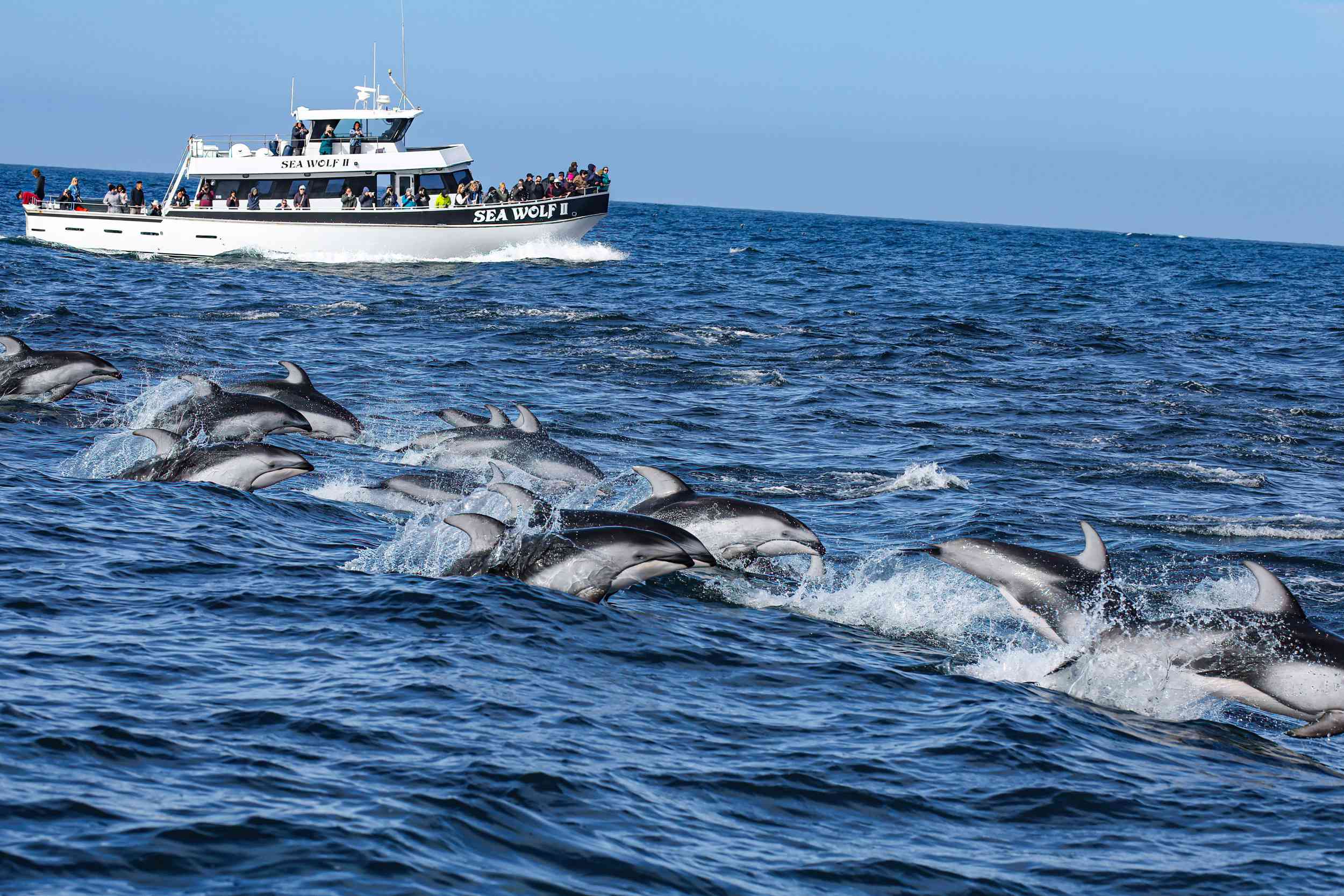
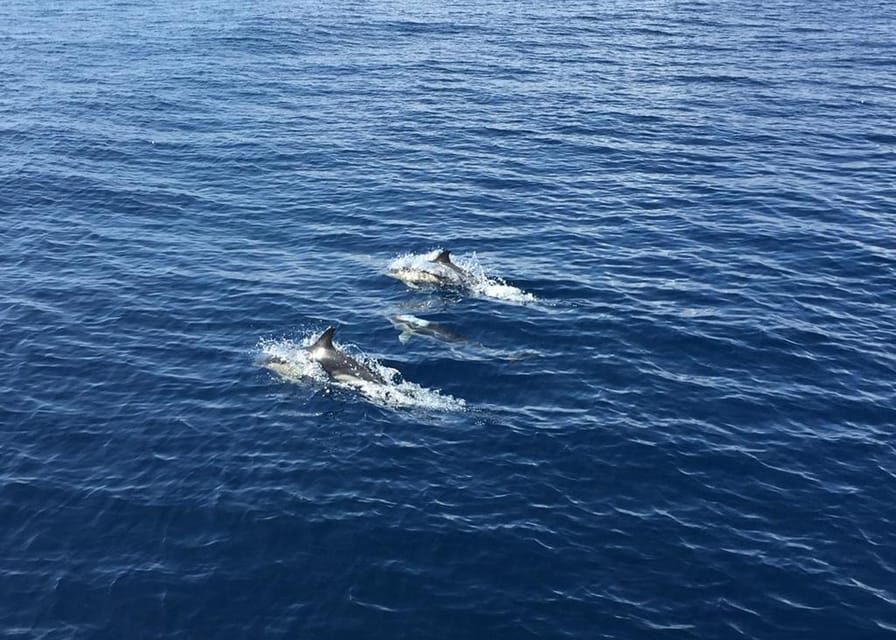
At 10:05, the marine biologist signals a pod of bottlenose dolphins off the port bow. The captain cuts the engine to idle; you watch seven individuals surface in synchronized arcs, their dorsal fins slicing the swell. The pod lingers for six minutes, one juvenile breaching twice. You raise your phone for a burst of photos, then lower it to watch unmediated. By 10:45, the catamaran reaches a volcanic reef where the crew lowers a swim ladder. You snorkel above black basalt columns, spotting parrotfish and a lone trumpetfish hovering in the thermocline.

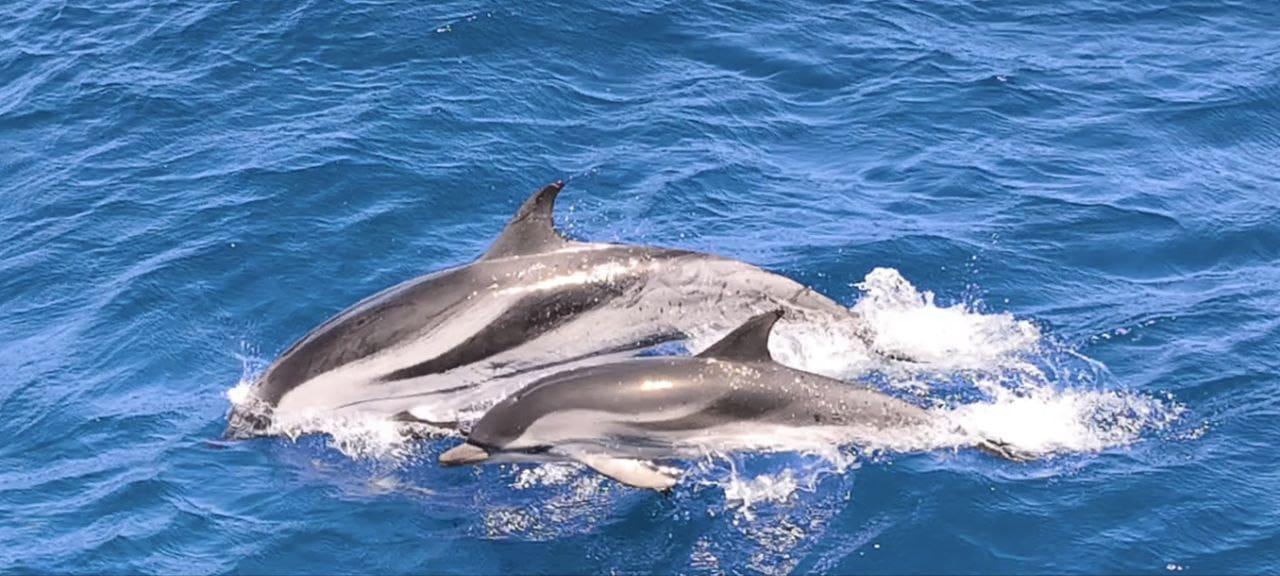
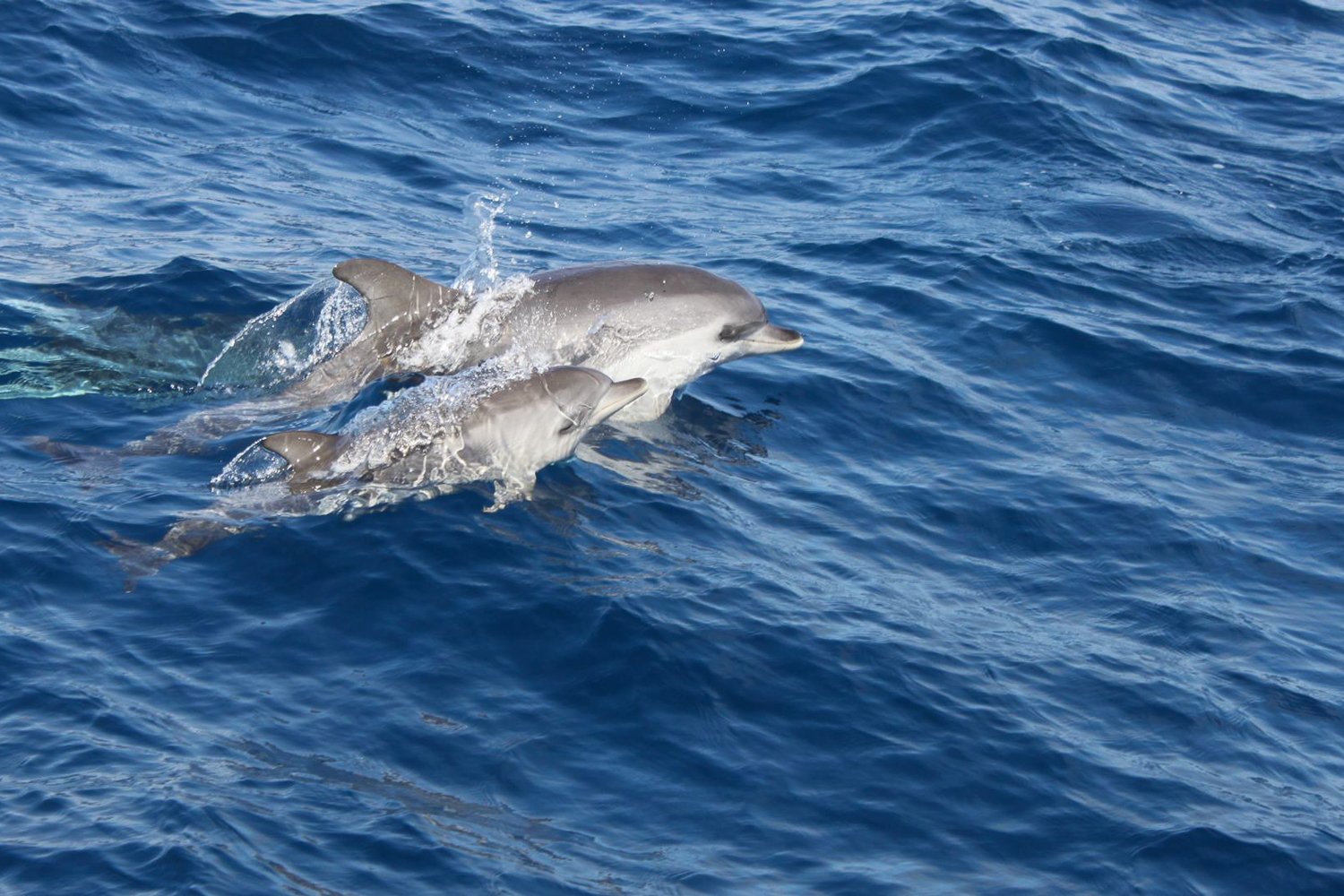
The return leg follows the coastline, passing the Cofete cliffs and the abandoned Villa Winter. A Atlantic spotted dolphin group crosses the stern wake at 11:50, riding the pressure wave for 30 seconds before peeling off toward open water. You dock at 12:15, stepping back onto warm concrete with salt-crusted hair and a memory card full of dorsal-fin silhouettes.

Dolphin Whale Watching Fuerteventura
Everything You Need to Know

Your complete Dolphin Whale Watching Fuerteventura guide

All the details about your upcoming adventure in one place

Twenty-nine resident cetacean species inhabit the Canary archipelago, a biogeographic crossroads where the cold Canary Current meets subtropical Atlantic waters.

Fuerteventura's western and southern coasts serve as migratory corridors for pilot whales, bottlenose dolphins, and seasonal visitors including fin whales and rough-toothed dolphins. The channel between Fuerteventura and Lanzarote, known locally as El Río, concentrates nutrient upwellings that sustain schools of sardines and mackerel, drawing marine mammals year-round. Scientific surveys since 1999 have documented sightings on 85 percent of recorded expeditions, with short-finned pilot whales and Atlantic spotted dolphins observed most frequently.

Dolphin whale watching Fuerteventura departs from two principal harbors: Puerto de Morro Jable in the south and Puerto de Corralejo in the north. Morro Jable expeditions traverse the Jandía marine reserve, where volcanic seamounts rise abruptly from the abyssal plain, creating thermal fronts that attract feeding aggregations. Corralejo departures follow the Lobos Island corridor, a shallow-water zone favored by bottlenose pods and occasional loggerhead turtles. Both routes operate under the Canarian cetacean-watching charter, which mandates 60-meter approach distances, prohibits bow riding, and limits engine noise during encounters. Vessels carry certified marine biologists who record species, pod size, and behavioral data for ongoing population studies coordinated with La Laguna University.

The Canary Islands hold the distinction of being one of three European regions designated as a Whale Heritage Site by the World Cetacean Alliance, a recognition granted in 2021 for sustained conservation and responsible tourism practices. Fuerteventura's contribution to that designation rests on two decades of operator compliance and public education. Most dolphin whale watching Fuerteventura tours integrate snorkeling stops at volcanic reefs or secluded coves, allowing passengers to witness the underwater topography that shapes cetacean behavior. The island's volcanic origin, less than 20 million years old, produces steep drop-offs within a nautical mile of shore, creating the deep-water habitat large cetaceans require adjacent to human infrastructure.

Atlantic spotted dolphins exhibit seasonal behavioral shifts: playful bow-riding dominates summer months, while autumn and winter bring tighter pod formations and coordinated hunting. Pilot whales, by contrast, remain semi-resident, favoring the same deep channels across all seasons. Bryde's whales pass through Fuerteventura waters during spring and autumn migrations, though sightings remain opportunistic. The convergence of migratory routes, resident populations, and protected marine corridors sustains one of Europe's most reliable cetacean-viewing zones, accessible within a 30-minute sail from either departure point.
Twenty-nine resident cetacean species inhabit the Canary archipelago, a biogeographic crossroads where the cold Canary Current meets subtropical Atlantic waters.

Dress code

Wear comfortable, layered clothing as temperatures can drop at sea. Windproof jackets and non-slip shoes are recommended for safety on deck during dolphin whale watching fuerteventura trips.

Bags & security

Keep belongings minimal to maximize deck space. Operators prioritize safety and may request that large bags be stored securely at the harbor office before your dolphin whale watching fuerteventura departure.

Photography

Photography is permitted and encouraged during your dolphin whale watching fuerteventura tour. Ensure your equipment is protected from salt spray with a water-resistant bag or cover.

Families & strollers

Children are welcome on board, though life jackets must be worn at all times by younger guests. Families should prepare for varying sea conditions to ensure a comfortable experience.

Accessibility

Vessels vary in accessibility features, so it is essential to notify the operator of specific mobility needs before booking your dolphin whale watching fuerteventura tickets. Staff will assist with boarding where conditions permit.

Food & drink

Most dolphin whale watching fuerteventura operators provide light refreshments or water. Bringing your own hydration is advised, but keep snacks simple and avoid items requiring extensive cleanup.

Not allowed

× Glass bottles × Large suitcases × Drones × Alcohol × Sharp objects × Coolers × Smoking materials × Pets × High heels

What to bring

✓ Sunscreen ✓ Sunglasses ✓ Hat ✓ Camera ✓ Water ✓ Light jacket

Opening hours

Mon 09:00–18:30
Tue 09:00–18:30
Wed 09:00–18:30
Thu 09:00–18:30
Fri 09:00–18:30
Sat 09:00–18:30
Sun 09:00–18:30

How to get there

At a glance

Opening hours

09:00–18:30

Address

Puerto de Morro Jable / Puerto de Corralejo, Fuerteventura, Spain

Accessibility

Varies by vessel; contact operator for mobility assistance

Best arrival

09:00–11:00

Storage

Limited space on boats; bring small bags only

Getting there

Car · Public transport · The local bus network connects major towns to the ports, though schedules should be checked in advance for morning departures.

Rental cars are the most efficient way to reach the ports in Morro Jable or Corralejo with ample parking nearby.

Cancellation policy

Full refunds are typically available for cancellations made at least 24-48 hours prior to departure. As this is a commercial tour activity with various operator prices, please check your specific booking terms regarding the 0 EUR entrance fee.

Plan your time

Planning Your Dolphin Whale Watching Fuerteventura Schedule

Recommended time

3-4 hours

Planning your dolphin whale watching fuerteventura schedule requires balancing departure times with the natural behavior of marine mammals. We recommend the best arrival window of 09:00–11:00, as early morning excursions often encounter calmer Atlantic waters and more active sea life. Securing your dolphin whale watching fuerteventura tickets in advance helps avoid port congestion, while those seeking shorter excursions may find midday options more flexible. Booking a dolphin whale watching fuerteventura tour during the morning ensures you have ample time to reach the harbor at either Puerto de Morro Jable or Puerto de Corralejo without rushing.

Crowd levels through the day

09:00–11:00 Light
11:00–13:00 Moderate
13:00–15:00 High
15:00–18:30 Moderate
Plan ahead

Best time to visit Dolphin Whale Watching Fuerteventura

Weather · crowds · average price — dots go green to amber to red as each metric rises.

Spring

March to May offers stable sea conditions and migration activity.

Insider tips

Helpful tips for visiting Dolphin Whale Watching Fuerteventura

Motion Sickness

Take preventative measures 30 minutes before boarding if prone to seasickness. Staying focused on the horizon can help maintain balance.

Where to meet

Dolphin Whale Watching Fuerteventura meeting points

Puerto de Morro Jable

Puerto de Morro Jable, Fuerteventura

Look for the branded operator booth

Get directions
The story

The history of Dolphin Whale Watching Fuerteventura

Marine tourism in Fuerteventura began as an unstructured practice in the late 1970s, when local fishermen from Morro Jable and Corralejo started carrying curious visitors on working boats to observe short-finned pilot whales and Atlantic spotted dolphins in the channels between the island and Lanzarote. No permits existed, no marine protected zones were designated, and encounters depended entirely on luck and the skipper's knowledge of seasonal feeding grounds. By 1986, the first purpose-built charter boat—a converted trawler named *Oceano III*—began offering scheduled dolphin whale watching fuerteventura trips from Corralejo, marking the shift from opportunistic excursions to commercial operation. The Canary Islands' 1991 Maritime Tourism Decree forced operators to register, carry liability insurance, and limit passenger numbers, but enforcement remained patchy until the European Union's Habitats Directive in 1995 required Spain to map cetacean populations. Scientists from La Laguna University documented twenty-seven species in Fuerteventura's waters between 1996 and 2001, including resident bottlenose dolphins and migratory Bryde's whales, data that led to the 2005 designation of the Canary Islands Whale Heritage Site. A near-collapse followed in 2009 when three operators were fined for approaching a calving pilot whale pod within fifty meters, sparking voluntary codes of conduct that later became binding under regional law. Modern dolphin whale watching fuerteventura tours operate under strict protocols established in 2012: engines must idle within one hundred meters of cetaceans, no more than three vessels may observe the same pod simultaneously, and all sightings are logged with the Canarian Cetacean Database. Departures from both Morro Jable and Corralejo now serve an estimated seventy thousand visitors annually, with hydrophones, marine biologists aboard larger vessels, and real-time coordination through a radio network that reduces harassment. The industry funds ongoing population studies, though debate persists over cumulative stress on resident pods and whether seasonal closures should apply during calving months.

Late 1970s

Local fishermen begin informal dolphin-watching trips from Corralejo and Morro Jable.

1986

First purpose-built charter boat *Oceano III* launches scheduled commercial tours from Corralejo.

1991

Canary Islands Maritime Tourism Decree mandates operator registration and passenger limits.

1996–2001

La Laguna University documents twenty-seven cetacean species in Fuerteventura waters.

2005

Canary Islands designated Whale Heritage Site following EU Habitats Directive compliance.

2009

Multiple fines for proximity violations trigger voluntary operator codes of conduct.

2012

Regional law establishes binding approach distances and three-vessel observation limits.

Photo spots

Capturing Dolphin Whale Watching Fuerteventura: Optimal Vantage Points

Catamaran Bow Net

Catamaran Bow Net

Best light · Before 11:00

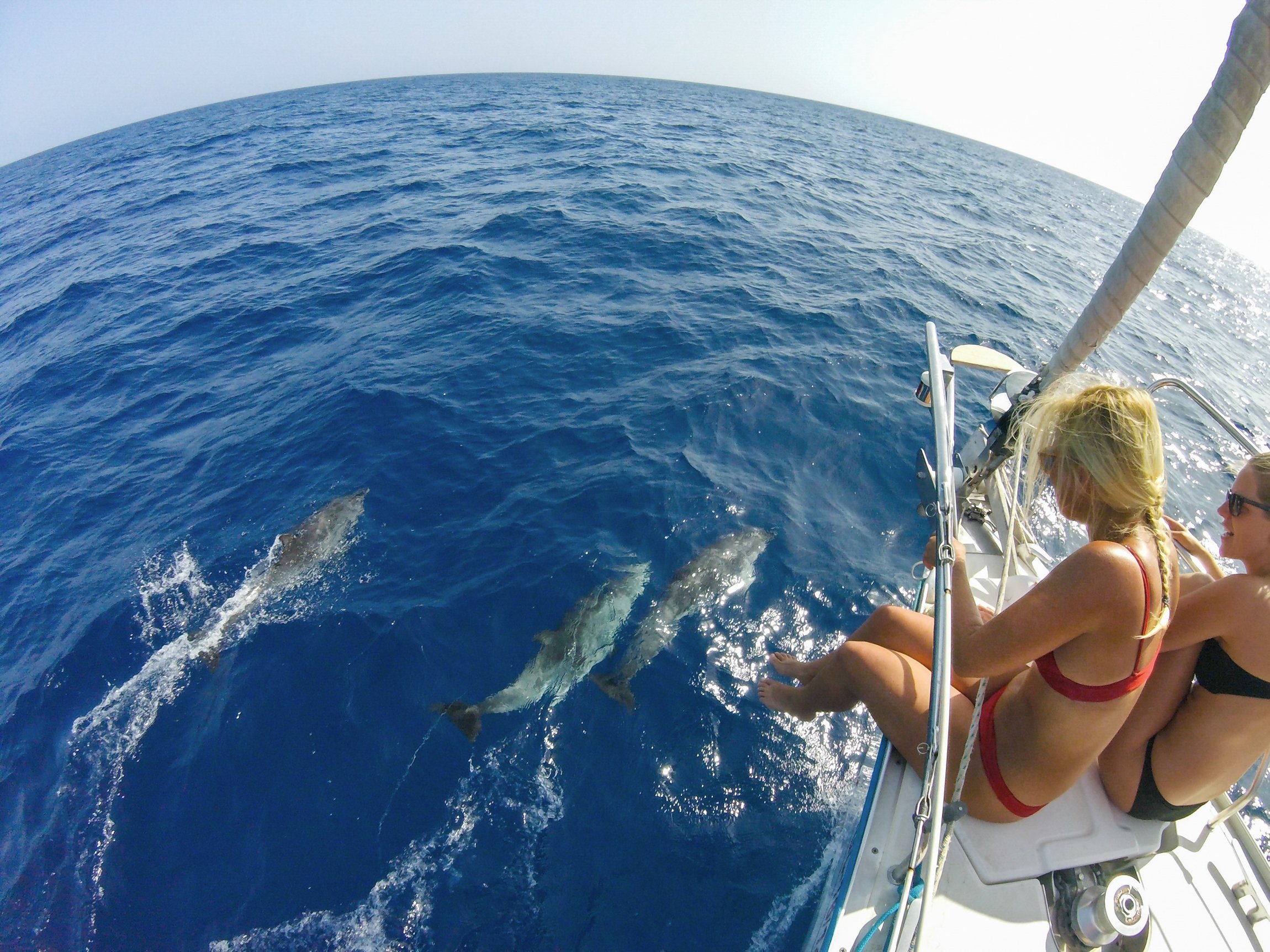
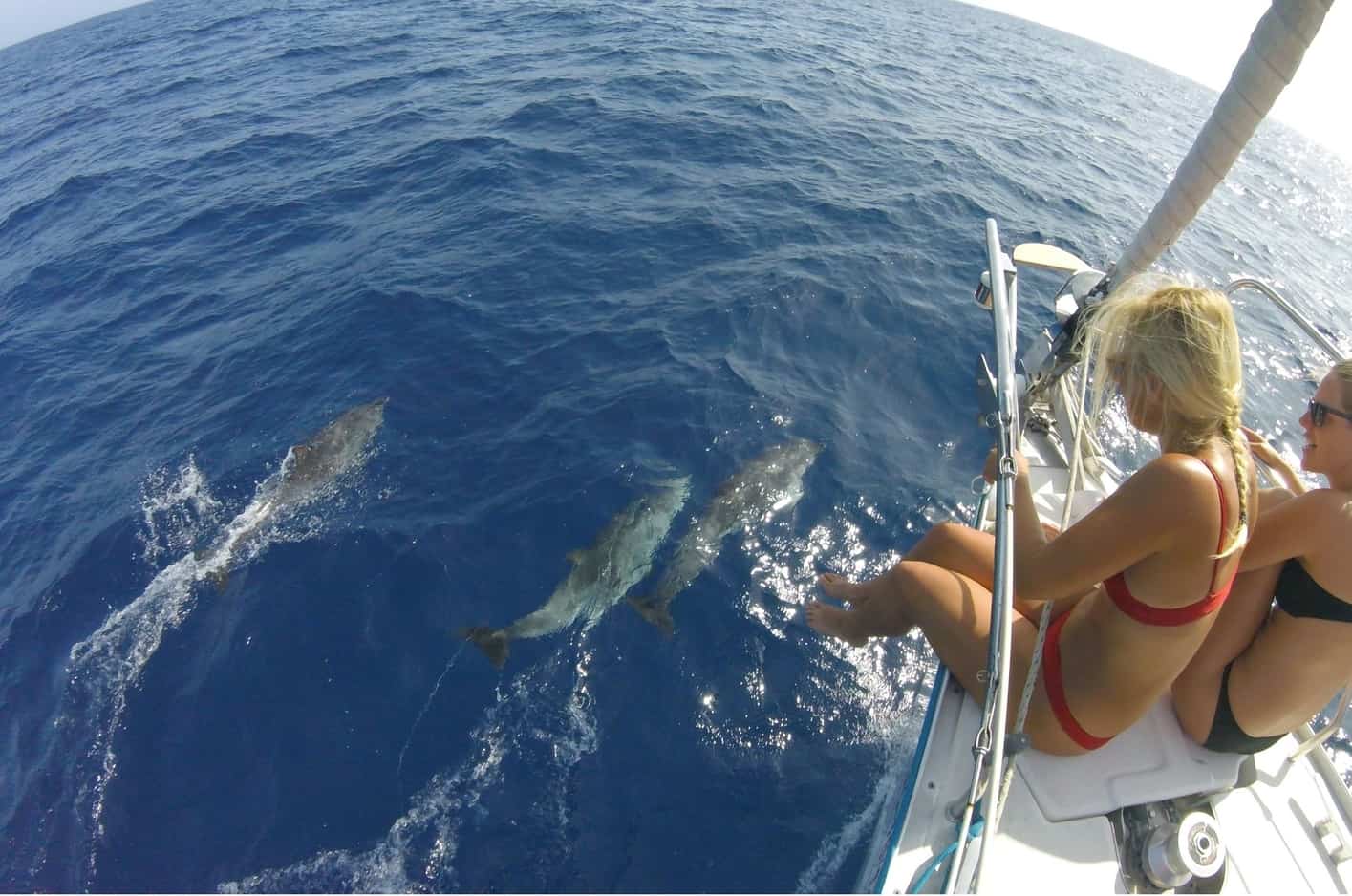
Position yourself at the front of the vessel to capture the water surface as marine life approaches the hull. This vantage point provides an unobstructed view of the Atlantic Ocean and is ideal for tracking movement during dolphin whale watching fuerteventura.

Speedboat Stern

Speedboat Stern

Best light · Golden hour

Standing at the back of the boat allows for a lower perspective closer to the waterline, which is excellent for photographing breaching behavior. Use this area when the vessel slows down to maintain stability while capturing pelagic species.

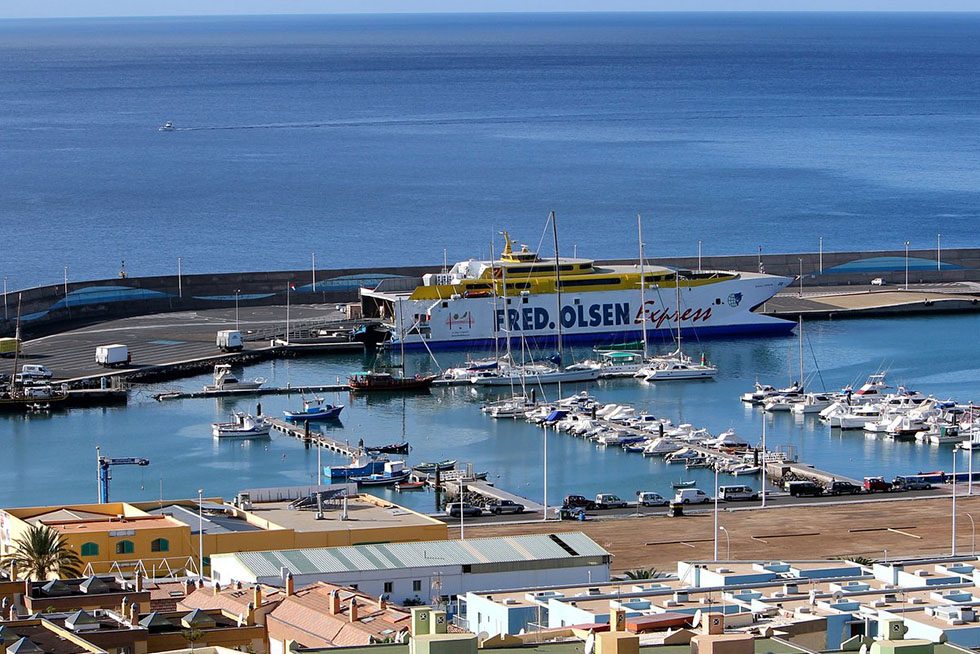
Puerto de Morro Jable Pier

Puerto de Morro Jable Pier

Best light · 09:00–11:00

This land-based spot offers a clear framing of the harbor entrance and departing vessels against the horizon. It is a reliable location to photograph the start of your dolphin whale watching fuerteventura tours before heading out to sea.

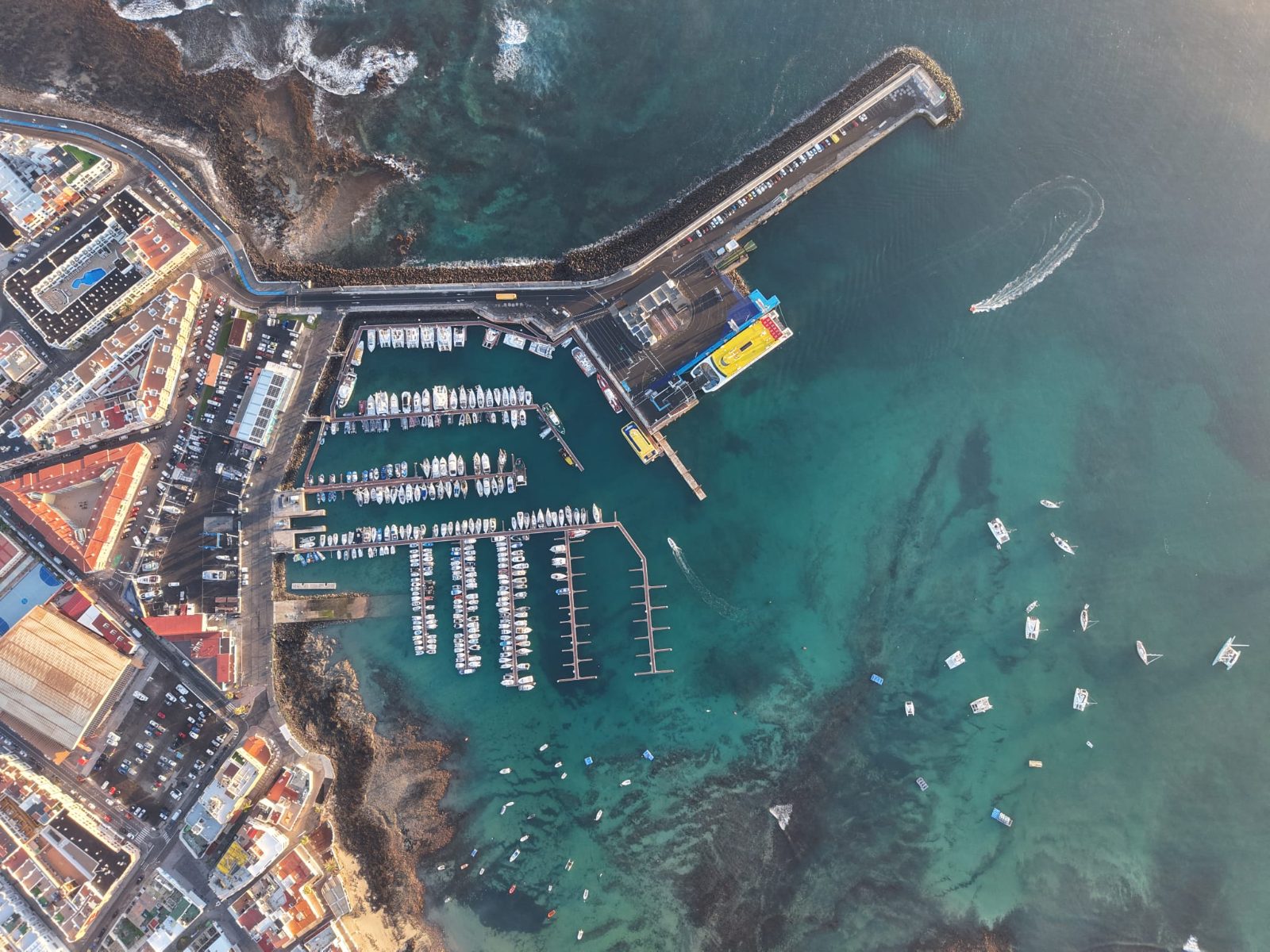
Puerto de Corralejo Promenade

Puerto de Corralejo Promenade

Best light · Golden hour

The elevated boardwalk provides a panoramic vantage point of the marina and incoming boats. Photographers can document the coastal landscape and the silhouettes of vessels returning from a successful dolphin whale watching fuerteventura tour.

Gallery

Moments from Dolphin Whale Watching Fuerteventura

With kids

Family Considerations for Dolphin Whale Watching Fuerteventura

Planning a dolphin whale watching fuerteventura trip requires careful attention to maritime conditions to ensure comfort for younger explorers. Choosing the right dolphin whale watching fuerteventura tours helps families manage expectations while searching for marine mammals in their natural habitat.

Sea Sickness

Apply motion sickness patches or provide medication to children at least thirty minutes before departure. Keeping kids focused on the horizon rather than screens helps reduce nausea during the dolphin whale watching fuerteventura tour passage.

Age Appropriateness

These excursions are generally best suited for children aged six and older who can sit safely for extended periods. Younger toddlers may find the open ocean environment unpredictable when securing dolphin whale watching fuerteventura tickets.

Vessel Safety

Always ensure children wear life vests provided by the crew immediately upon boarding the boat. Remind little ones to hold railings securely while moving on deck to remain stable during wave action.

Managing Duration

Select shorter boat trips to keep energy levels high and avoid fatigue. Bringing light snacks and water helps maintain focus during the observation of Atlantic marine life.

Food & drink

Where to eat at Dolphin Whale Watching Fuerteventura

Visitors planning a dolphin whale watching fuerteventura excursion will find several dining options situated directly at the harbors of Morro Jable and Corralejo. These coastal venues provide convenient spots to grab a meal before or after your marine wildlife boat trip.

Cofradía de Pescadores

€€

Seafood restaurant — 2 min walk

Located right at the port, this establishment serves fresh Atlantic catch perfect for those returning from dolphin whale watching fuerteventura tours. It is popular for its grilled fish and harbor views.;La Cofradía de Corralejo

FAQ

Dolphin Whale Watching Fuerteventura — frequently asked questions

Everything you need to know for your journey

Around the corner

More to see near Dolphin Whale Watching Fuerteventura

Playa del Matorral

Playa del Matorral

5 min

beach

A vast stretch of sand perfect for relaxing after a boat trip.

Where to stay

Where to stay near Dolphin Whale Watching Fuerteventura

Iberostar Selection Fuerteventura

10 min

luxury

High-end resort near the southern port

Ready for Adventure?

Join thousands of happy travelers who have discovered this incredible experience

Book Your Experience Now