

Quick answer
The best time for whale watching Fuerteventura spans November through March, when cooler water temperatures draw pilot whales and dolphins closer to shore and calmer winter seas improve visibility and boat stability. Spring and autumn offer moderate conditions with good sighting probabilities, while summer months see increased Atlantic swells and species dispersing to deeper offshore feeding grounds. Morning departures between 09:00 and 11:00 capture the calmest sea state regardless of season.
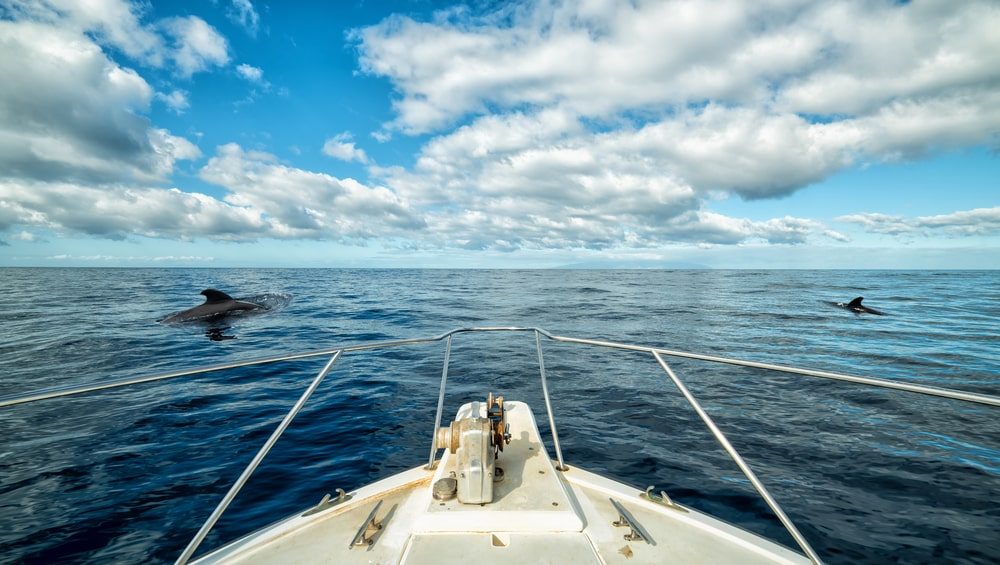
Twenty-eight cetacean species transit or inhabit the waters surrounding the Canary Islands, making Fuerteventura one of Europe's most consistent year-round marine wildlife destinations. Yet seasonal variation in water temperature, prey availability, and breeding behavior creates distinct windows when surface encounters shift from occasional to probable. Whale watching Fuerteventura best time aligns with the North Atlantic winter, when short-finned pilot whales—permanent residents of these volcanic channels—gather in larger, more cohesive pods for social bonding and cooperative hunting. November marks the transition as surface water temperatures drop from summer highs above 23°C to winter lows near 18°C, triggering squid and mackerel movements that concentrate cetacean activity within ten nautical miles of Morro Jable. Bottlenose dolphins, Atlantic spotted dolphins, and occasional Bryde's whales follow the same prey corridors, creating multi-species sightings that define high season. December through February deliver the highest encounter rates, with experienced operators reporting pilot whale contact on more than 85 percent of departures under favorable weather. Spring months—April and May—occupy a transitional middle ground. Sea conditions remain manageable before summer trade winds intensify, and migratory species like fin whales pass northward after wintering in equatorial Atlantic waters. Sighting frequency dips slightly as pods disperse across wider foraging ranges, but morning excursions still yield strong results. Autumn mirrors this pattern in reverse: September and October see calmer seas return after the August swell peak, and pilot whale pods begin reconsolidating as water cools. Summer—June through August—presents the least predictable conditions for optimal whale watching in Fuerteventura. Afternoon trade winds generate chop that obscures surfacing behavior, and resident species move to deeper offshore zones where prey concentrations shift with thermocline depth. Operators maintain daily schedules and sightings remain possible, but encounter distances increase and sea state challenges smaller vessels. For visitors with fixed travel dates in summer, early morning departures departing at 09:00 offer the best chance before wind builds, and flexible rescheduling improves odds if initial conditions disappoint. Beyond seasonal timing, lunar phase and tidal current subtly influence cetacean surface activity. New moon periods correlate with increased nighttime squid hunting, leaving pilot whales less active at the surface during daylight hours. Conversely, full moon phases often yield more observable daytime behavior as pods rest between nocturnal feeding cycles. While these variables rarely override broader seasonal patterns, they add nuance for visitors planning multi-day itineraries who can align excursions with favorable moon phases. The departure point at Puerto de Morro Jable positions excursions within twenty minutes of the volcanic shelf edge where the seabed drops from 40 meters to over 1,000 meters—a topographic feature that funnels nutrient-rich upwellings and concentrates pelagic prey. This proximity means even shorter two-hour trips access prime habitat, and the sheltered bay allows departures in sea states that would ground operations at exposed northern ports. Standard excursions operate daily from 09:00 to 18:00, with starting prices from 49 EUR per adult reflecting the baseline whale and dolphin watching experience without premium add-ons.
“Twenty-eight cetacean species transit or inhabit the waters surrounding the Canary Islands, making Fuerteventura one of Europe's most consistent year-round marine wildlife destinations.”
Whale Watching Fuerteventura Best Time: Seasonal and Daily Windows
Whale watching in Fuerteventura is possible year-round, but spring and autumn offer the highest frequency of sightings during migration periods. Planning your trip for the morning hours increases the probability of encountering calmer sea conditions.
Spring (March–May)
Moderate crowdsMild 20–23°C; stable conditions
Migratory species pass through the islands during these months. This period provides favorable light for spotting activity
Autumn (September–November)
Low crowdsWarm 23–26°C; calm waters
The sea is often at its calmest, facilitating easier observation. Water temperatures remain high from summer heating
Weekday mornings
Minimal congestion—
The sea is typically glassier before midday winds develop. Sightings are more consistent when winds are light.
Verdict: The best window is weekday mornings during the migratory months of April or October to balance favorable sea states and wildlife activity.
Whale Watching Fuerteventura Best Time: Operational Hours
Excursions depart daily from Puerto de Morro Jable. The office maintains a consistent schedule throughout the week to facilitate visitor planning.
| Monday | 09:00–18:00 | |
|---|---|---|
| Tuesday | 09:00–18:00 | |
| Wednesday | 09:00–18:00 | |
| Thursday | 09:00–18:00 | |
| Friday | 09:00–18:00 | |
| Saturday | 09:00–18:00 | |
| Sunday | 09:00–18:00 |
Getting to the Whale Watching Fuerteventura Best Time Departure Point
Whale watching excursions depart from Puerto de Morro Jable, located on the southern tip of Fuerteventura. Access is most straightforward by car or local bus services that connect to the Morro Jable harbor area.
FV-2 road towards Morro Jable
Line 1 or 10 to Estación de Guaguas Morro Jable
Follow signs for Puerto de Morro Jable from the town center
Essential Preparation for Whale Watching Fuerteventura Best Time Excursions
Prepare these essentials before your whale watching excursion to ensure a comfortable and safe experience at sea.
-
Book your excursion in advance — Tours fill quickly during peak whale watching periods.
-
Bring sun protection and a hat — You'll spend hours on open water with strong UV exposure.
-
Pack motion sickness medication if needed — Even calm seas can affect sensitive passengers.
-
Wear layered clothing and waterproof jacket — Sea temperatures drop and spray is common during the trip.
-
Carry binoculars for distant sightings — Whales often surface at considerable distance from the boat.
-
Bring a camera with zoom capability — Standard phone cameras struggle to capture marine wildlife clearly.
-
Arrive 15 minutes before departure — Check-in and safety briefings occur before the scheduled tour time.
Check availability
Planning your trip: whale watching Fuerteventura best time
Everything you need to know about whale watching fuerteventura best time