

Quick answer
Whale watching Fuerteventura January operates daily from 09:00 to 18:00, departing from Puerto de Morro Jable and Puerto de Corralejo. Shared boat excursions start at 49 EUR per adult. January brings moderate Atlantic swells and cooler air temperatures, though sea conditions remain navigable and resident pilot whale pods stay active in the island's offshore channels. Morning departures between 09:00 and 14:00 typically encounter the calmest water and highest cetacean activity.
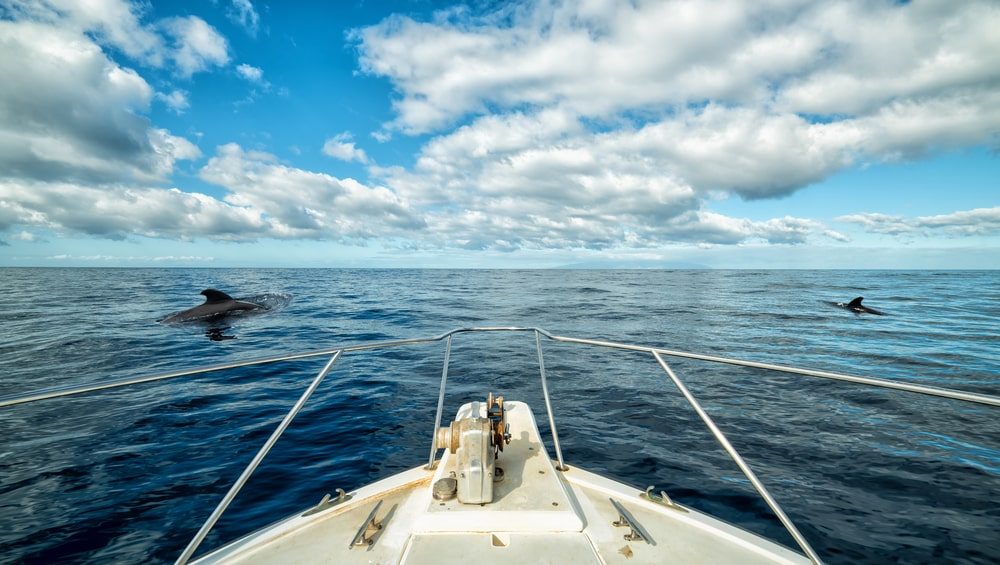
Short-finned pilot whales remain in Fuerteventura's waters throughout January, defying the seasonal migration patterns that empty other European whale watching zones during winter months. The island's position in the Canary Current creates a stable marine environment where resident cetacean pods feed year-round on deep-water squid populations, making January sightings statistically comparable to summer months. Winter Atlantic conditions shape the whale watching Fuerteventura January experience in predictable ways. Air temperatures range between 17°C and 21°C, while sea surface temperatures hold steady near 19°C. Northeast trade winds moderate during January compared to their summer intensity, though occasional swells from North Atlantic storm systems can increase wave height to two meters. Boat operators monitor marine forecasts closely and adjust routes to shelter behind the island's southern and western coasts when conditions require. The result is a high operational success rate, with cancellations rare even during the winter season. Puerto de Morro Jable on the southern coast offers the shortest transit to known pilot whale territories, with pods frequently sighted six to eight nautical miles offshore. Puerto de Corralejo in the north provides access to the channel between Fuerteventura and Lanzarote, where bottlenose dolphins and occasional fin whales pass through deeper waters. Both ports maintain daily departures, with morning slots filling earliest due to favorable sea states and wildlife activity patterns. January also brings practical advantages beyond marine conditions. Visitor numbers drop significantly after the December holiday period, creating more availability on excursion boats and reducing crowding at observation rails. The winter sun sits lower on the horizon, producing softer light that improves photographic conditions during mid-morning and early afternoon departures. Operators continue to enforce responsible viewing protocols year-round, maintaining regulated distances from cetaceans and limiting engine noise in proximity to pods. The combination of resident wildlife, manageable seas, and reduced tourism pressure establishes January as a tactically sound month for cetacean observation off Fuerteventura's Atlantic coast.
“Short-finned pilot whales remain in Fuerteventura's waters throughout January, defying the seasonal migration patterns that empty other European whale watching zones during winter months.”
Optimal Timing for Whale Watching Fuerteventura January
January offers a favorable window for whale watching in Fuerteventura as milder winter temperatures and active migration patterns bring various cetacean species into the surrounding waters. During this month, sea conditions remain generally conducive for boat excursions, providing consistent opportunities for observation.
Early January
Low to moderateMild, average 18°C
Post-holiday period often sees fewer visitors on the water.
Mid-January
LowStable, average 18°C
Sea conditions are typically calm, supporting reliable sighting conditions.
Late January
ModerateStable, average 18°C
Increased biological activity makes this a productive time for sightings.
Verdict: January provides a consistent season for sightings with stable winter conditions and moderate visitor levels.
Whale Watching Fuerteventura January Operating Hours
Whale watching excursions in Fuerteventura operate daily throughout January. These hours apply to standard departures from the island's primary ports.
| Monday | 09:00–18:00 | |
|---|---|---|
| Tuesday | 09:00–18:00 | |
| Wednesday | 09:00–18:00 | |
| Thursday | 09:00–18:00 | |
| Friday | 09:00–18:00 | |
| Saturday | 09:00–18:00 | |
| Sunday | 09:00–18:00 |
Reaching Your Boat for Whale Watching Fuerteventura January
Excursions depart from Puerto de Morro Jable in the south or Puerto de Corralejo in the north. Both ports are accessible by major island roads and local transport services.
FV-2 highway to Morro Jable port
Line 10 or 25 to Morro Jable
FV-1 highway to Corralejo port
Line 6 to Corralejo bus station
Preparation Checklist for Whale Watching Fuerteventura January
January's cooler waters and variable winds call for practical preparation to stay comfortable during your Atlantic excursion.
-
Book your departure in advance
-
Tours fill quickly during winter months, especially morning slots when seas are calmest.
-
Bring motion sickness tablets
-
January's Atlantic swells can be unpredictable, even on larger vessels.
-
Pack a windproof jacket
-
Ocean winds are stronger in winter and temperatures drop quickly on the water.
-
Wear layered clothing underneath
-
Conditions shift between sun exposure and sea spray throughout the trip.
-
Bring sunglasses and sun protection
-
UV reflection off winter water remains strong despite cooler air temperatures.
-
Carry a waterproof bag
-
Splashing is common during whale approaches and January crossings can be choppy.
-
Wear closed-toe shoes with grip
-
Wet decks require stable footing, particularly when moving around the boat.
Check availability
Frequently Asked Questions About Whale Watching Fuerteventura January
Everything you need to know about whale watching fuerteventura january