Open today · 09:00–18:30

Whale Watching Fuerteventura Corralejo

Whale Watching Fuerteventura Corralejo — Cetacean Cruises & Marine Excursions

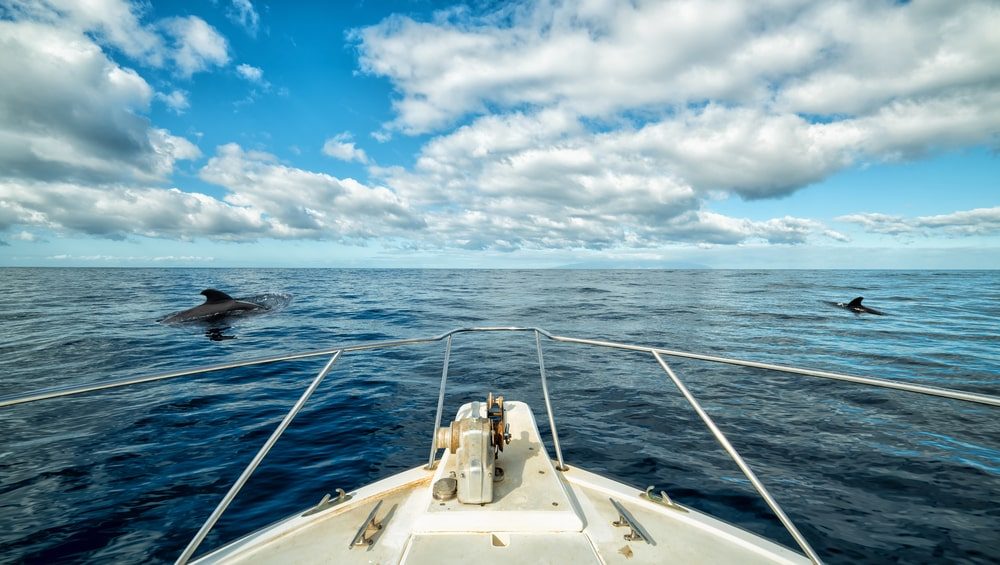
Atlantic waters where pilot whales surface, dolphins leap alongside the bow

50K+ travelers chose this
Free Cancellation
Right now: Moderate — autumn shoulder season Arrival by 08:45 recommended for morning boat check-in.
Free Cancellation
Free cancellation Instant confirmation Mobile voucher Verified marine operators Book now, pay later
75 EUR
Typical adult price
Varies by operator
09:00–18:30
Daily opening hours
Mon–Sun availability
09:00–14:00
Best arrival window
Calmer sea conditions
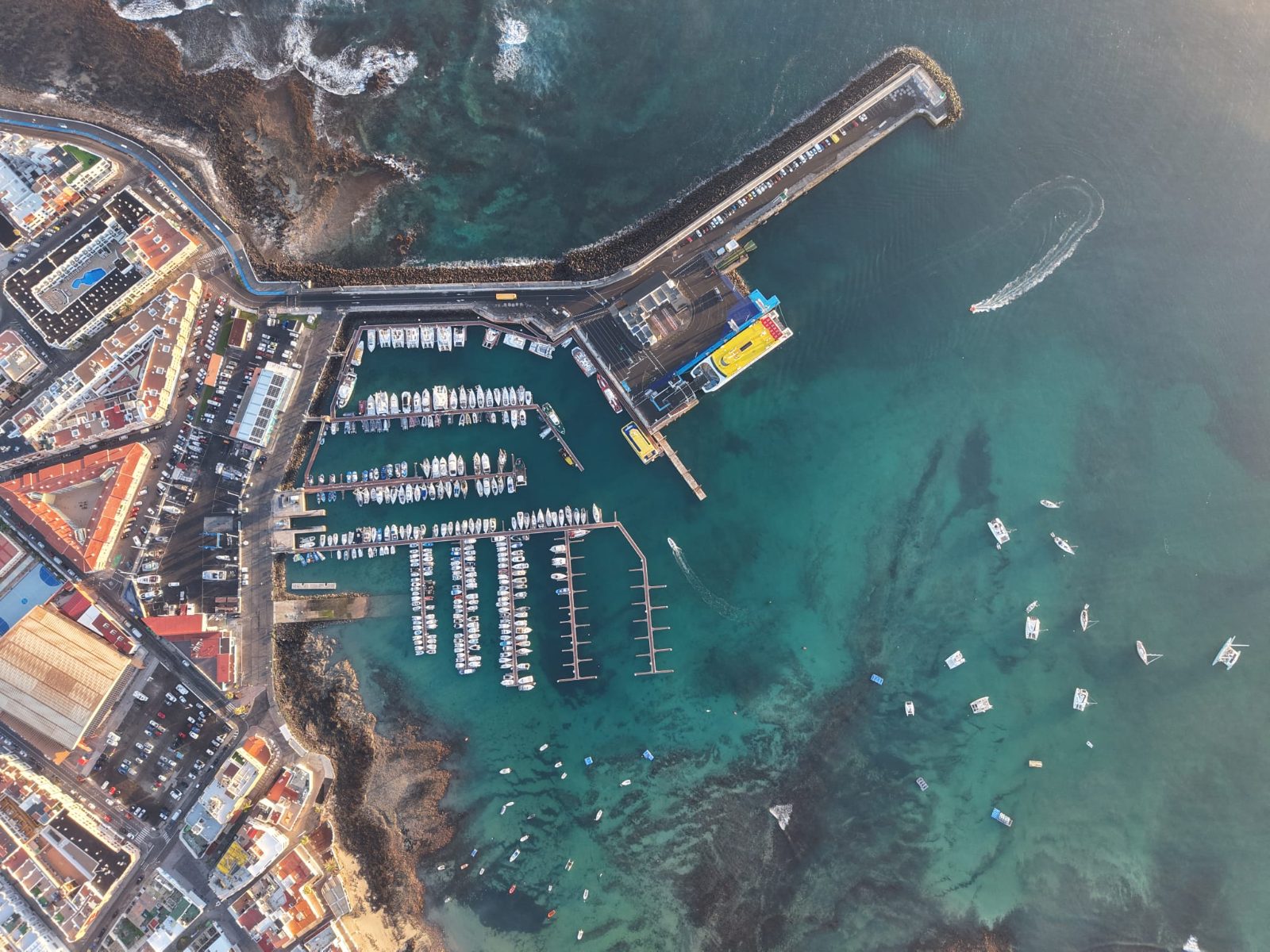
Puerto de Corralejo
Departure location
Corralejo, Fuerteventura
Choose your ticket

Whale Watching Fuerteventura Corralejo tickets at a glance

Compare fares, pick the fit — all bookings are mobile-voucher and eligible for free cancellation where shown.

Morro Jable Dolphin & Whale Watching with Swimming Stop 2 hr
Standard Entry

Morro Jable Dolphin & Whale Watching with Swimming Stop

4.2 (5321)
€49
  • Entry ticket
  • Mobile voucher
  • Valid same day
  • Free cancellation
Book this ticket
Dolphin & Whale Watching with Lobos Island Beach Stop 5 hr
Standard Entry

Dolphin & Whale Watching with Lobos Island Beach Stop

4.6 (497)
€75
  • Entry ticket
  • Mobile voucher
  • Valid same day
  • Free cancellation
Book this ticket
Compare options

Compare Whale Watching Fuerteventura Corralejo ticket options

Selecting the right whale watching fuerteventura corralejo experience depends on whether you prefer an intimate small-group excursion or a comprehensive day trip with additional water activities. These whale watching fuerteventura corralejo tours prioritize responsible marine observation within the natural habitat of local cetaceans.

Top pick
Shared Group Tour Standard Vessel
Private Boat Charter Exclusive Vessel
Duration 4-5 hours
Capacity Up to 12 persons
Included Extras Drinks and snacks
Water Activities Customizable itinerary
Best for Private groups

Verdict: Choose the shared whale watching fuerteventura corralejo tour for a balanced social experience, or book the private charter for maximum flexibility and group privacy.

Is Whale Watching Fuerteventura Corralejo Worth the Investment?

Worth it for nature enthusiasts seeking marine life

Whale watching fuerteventura corralejo delivers genuine marine encounters in waters frequented by pilot whales, bottlenose dolphins, and occasional fin whales. Professional operators with trained marine biologists lead tours ranging from snorkeling-focused excursions to catamaran cruises, maintaining 95% cetacean sighting rates year-round. The Atlantic waters off Corralejo benefit from the Canary Current, creating nutrient-rich feeding grounds that attract resident and migratory species. Tours typically last 2.5–3 hours, combining wildlife observation with optional swimming stops at Lobos Island or protected reefs. The ecological value is real—you're observing wild populations in their natural habitat, not captive displays. However, sightings depend on marine conditions and animal behavior; no operator guarantees specific species. Seasickness can be a factor on rougher days, and multiple-hour boat trips require reasonable fitness. For travelers who value authentic wildlife experiences over scripted attractions, the combination of expert guidance, high success rates, and respect for marine ecosystems justifies the investment.

What makes it worth it

  • 95% cetacean sighting rate across operators
  • Marine biologist guides provide expert species identification
  • Multiple tour formats include snorkeling and island stops
  • Year-round resident dolphin and pilot whale populations
  • Environmentally responsible observation following marine protection protocols

Keep in mind

  • No species guarantees—sightings depend on conditions
  • Potential for seasickness on open Atlantic waters
  • Tours require 2.5–3 hours on the water

Bottom line: If wildlife observation in natural habitats appeals more than staged attractions, whale watching fuerteventura corralejo tours offer genuine marine encounters with professional ecological oversight.

Head to head

Whale Watching Fuerteventura Corralejo vs. Lobos Island Catamaran — Which Is Better?

They complement each other; most visitors who do both call the whale watching fuerteventura corralejo tour the more thrilling wildlife encounter, while the Lobos excursion offers superior relaxation.

Top pick
Whale Watching
Lobos Catamaran
Primary Focus Coastal leisure and swimming
Departure Point Puerto de Corralejo
Typical Duration 4 hours
Price (per adult) 62–75 EUR
Activity Intensity Moderate (swimming and snorkeling)
Key Inclusions Drinks and lunch
Best Arrival Window Morning or early afternoon
Who It Suits Families and sun-seekers

Verdict: Choose whale watching fuerteventura corralejo tours if your priority is spotting cetaceans in the Atlantic, or opt for the Lobos island cruise if you prefer a social day of snorkeling and sailing with guaranteed leisure time.

Featured Experiences

Popular Whale Watching Fuerteventura Corralejo tours & activities

Hand-picked experiences loved by thousands of travelers

Recommended Experience

Powered by GetYourGuide

Another traveler favorite

Powered by GetYourGuide
Cetacean Watching Catamaran Cruise 5 hours Free Cancellation

Cetacean Watching Catamaran Cruise

Sail between two Canary Islands seeking dolphins and whales on a marine wildlife adventure with food included

4.5 (274)
FromFrom €75
See details
Morro Jable Dolphin & Whale Watching with Snorkeling 2 hours 30 minutes Free Cancellation

Morro Jable Dolphin & Whale Watching with Snorkeling

Small-group marine safari from Fuerteventura's south coast with swimming break in pristine waters

4.6 (84)
FromFrom €49
See details
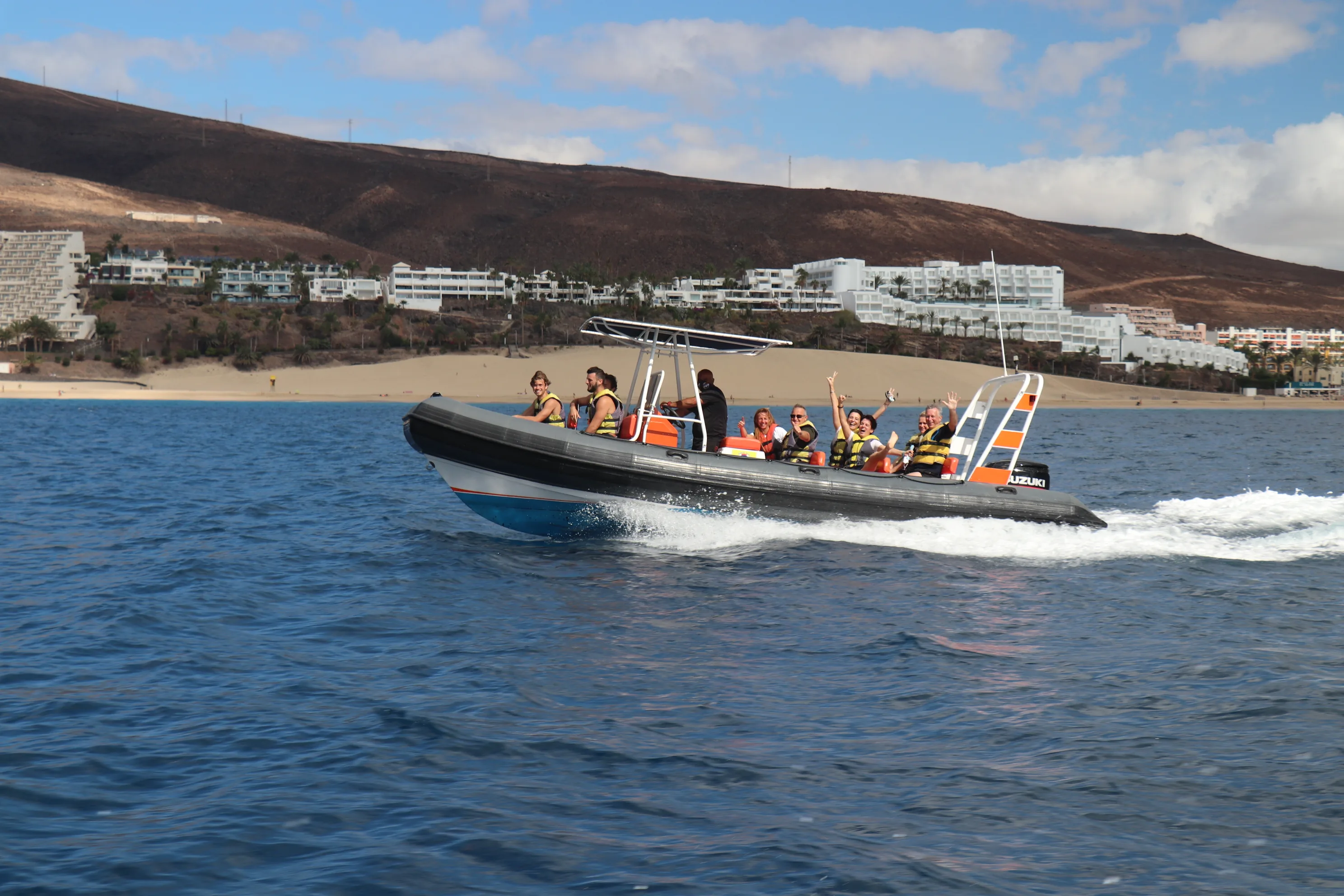
Morro Jable Speedboat Wildlife Adventure 1 hour 30 minutes Free Cancellation

Morro Jable Speedboat Wildlife Adventure

Race across Atlantic waters searching for dolphins, whales and marine life on a thrilling 90-minute speedboat tour

4.7 (40)
FromFrom €45
See details
Dolphin Watching Boat Expedition from Costa Calma 2 hours 30 minutes Free Cancellation

Dolphin Watching Boat Expedition from Costa Calma

Zip across turquoise Atlantic waters in search of wild dolphins on this high-speed marine adventure

4.3 (263)
FromFrom $45.94
See details
Lobos Island Dolphin Watching & Beach Adventure 5 hours 30 minutes Free Cancellation

Lobos Island Dolphin Watching & Beach Adventure

Cruise to a pristine island nature reserve, spot marine wildlife, and enjoy free time exploring volcanic trails and turquoise waters.

4.2 (668)
FromFrom $82.7
See details
Lobos Island Catamaran Adventure with Paella & Water Sports 4 hours Free Cancellation

Lobos Island Catamaran Adventure with Paella & Water Sports

Sail to pristine Lobos Island, snorkel turquoise waters, feast on paella, and explore by kayak or paddleboard.

4.8 (1156)
FromFrom €75
See details
Fuerteventura Catamaran Sailing & Dolphin Watching 4 hours 30 minutes Free Cancellation

Fuerteventura Catamaran Sailing & Dolphin Watching

Half-day ocean adventure seeking dolphins, whales, and rays with swimming stop in turquoise waters

4.7 (92)
FromFrom $113.71
See details
Lobos Island Catamaran Sailing & Snorkeling Adventure 4 hours Free Cancellation

Lobos Island Catamaran Sailing & Snorkeling Adventure

Sail around volcanic Lobos Island, snorkel in crystal waters, and feast on paella aboard a spacious catamaran

4.8 (391)
FromFrom €70
See details
Your journey

Your Whale Watching Fuerteventura Corralejo day, step by step

1

Check-in

Arrival at Port of Corralejo for boarding passes

2

Departure

Safety briefing and vessel departure

3

Wildlife Search

Active observation of dolphins and whales

4

Coastal Return

Scenic sailing back to port

The experience

What visiting Whale Watching Fuerteventura Corralejo is really like

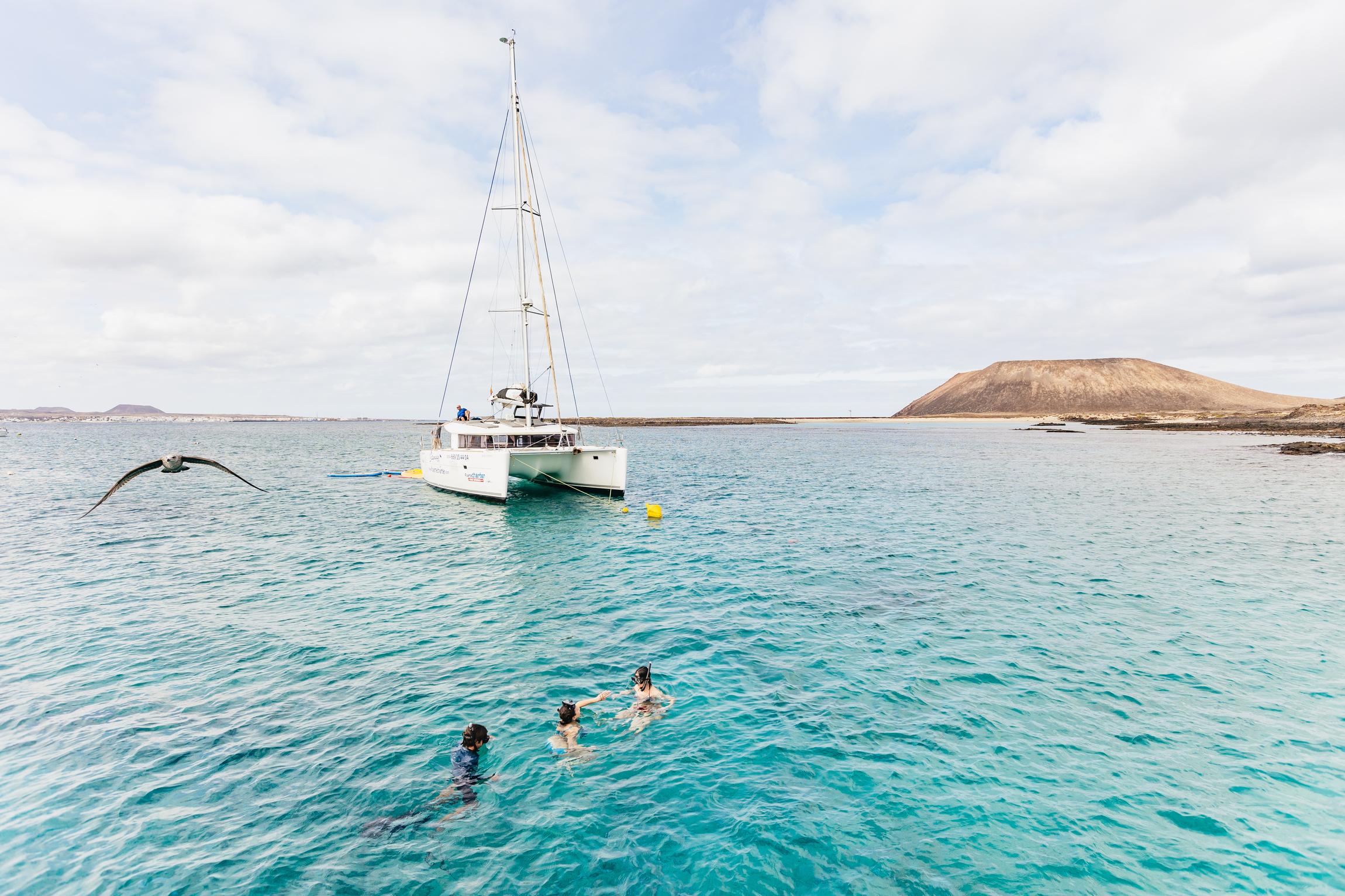
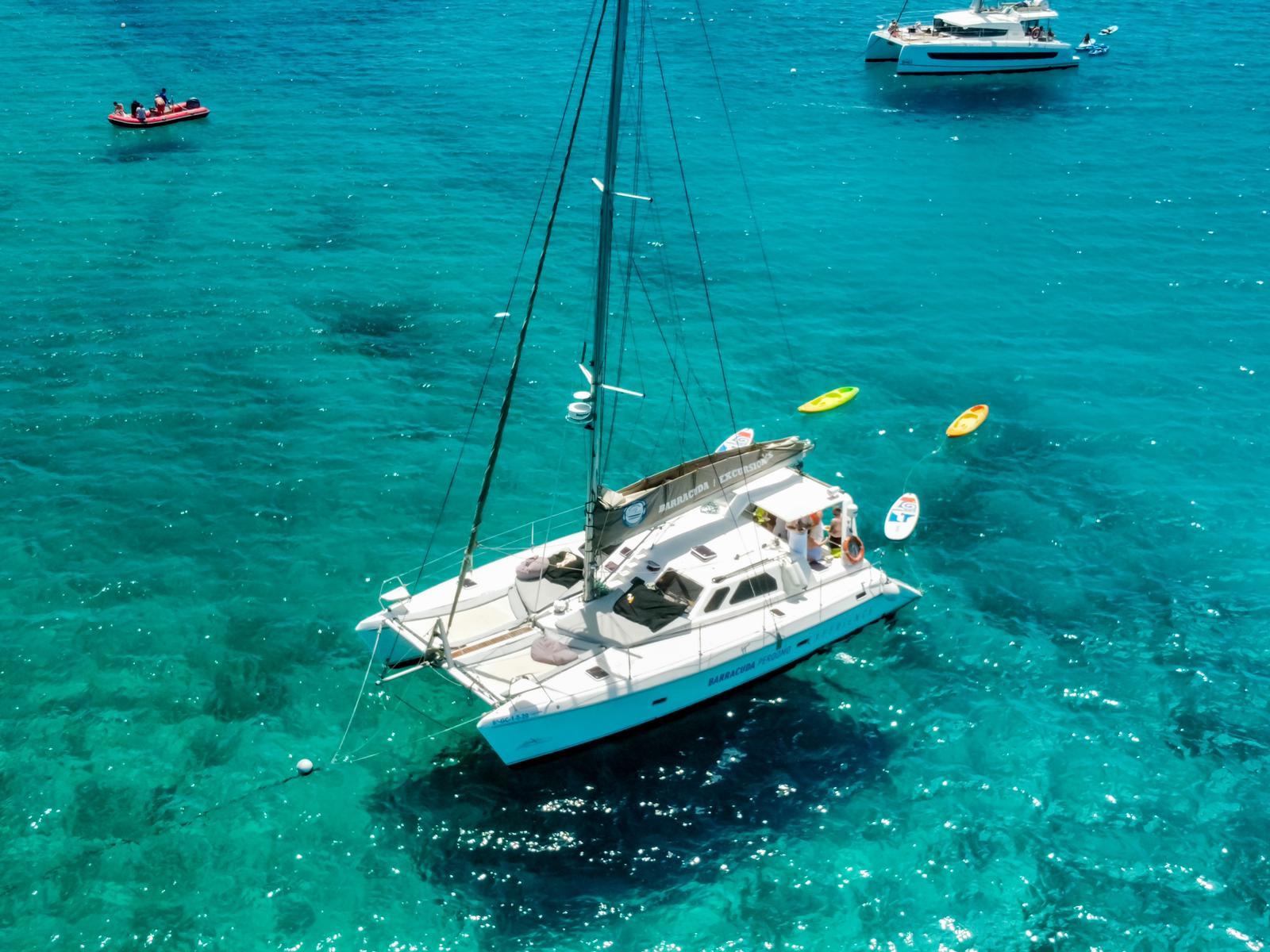
You board at Puerto de Corralejo between 09:00 and 10:00, stepping onto a twin-hulled catamaran designed for Atlantic swells. The crew briefs you on cetacean behavior—pilot whales surface every eight to twelve minutes, dolphins announce their presence with dorsal fin slices breaking the horizon line.

Read more Show less

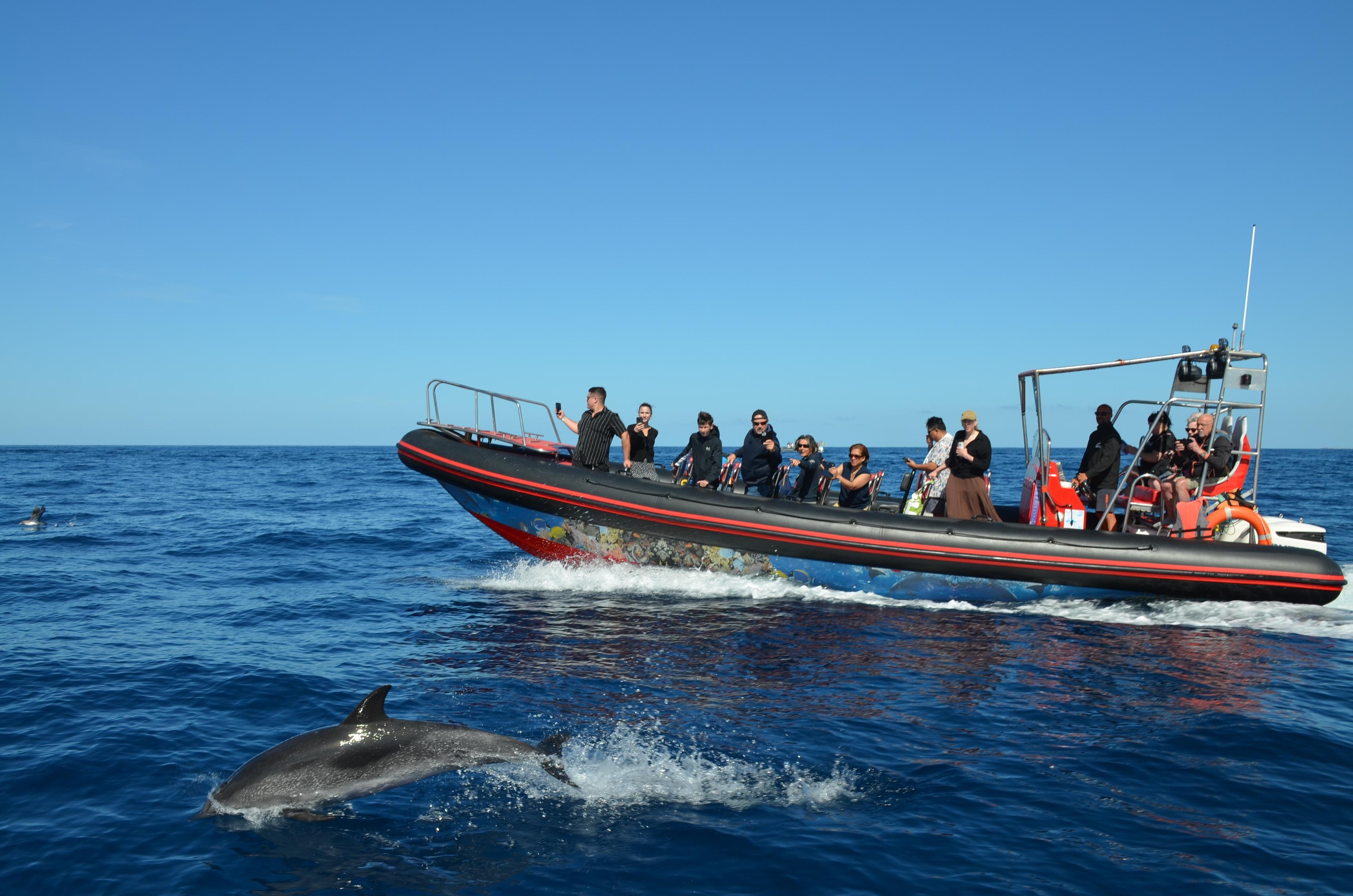
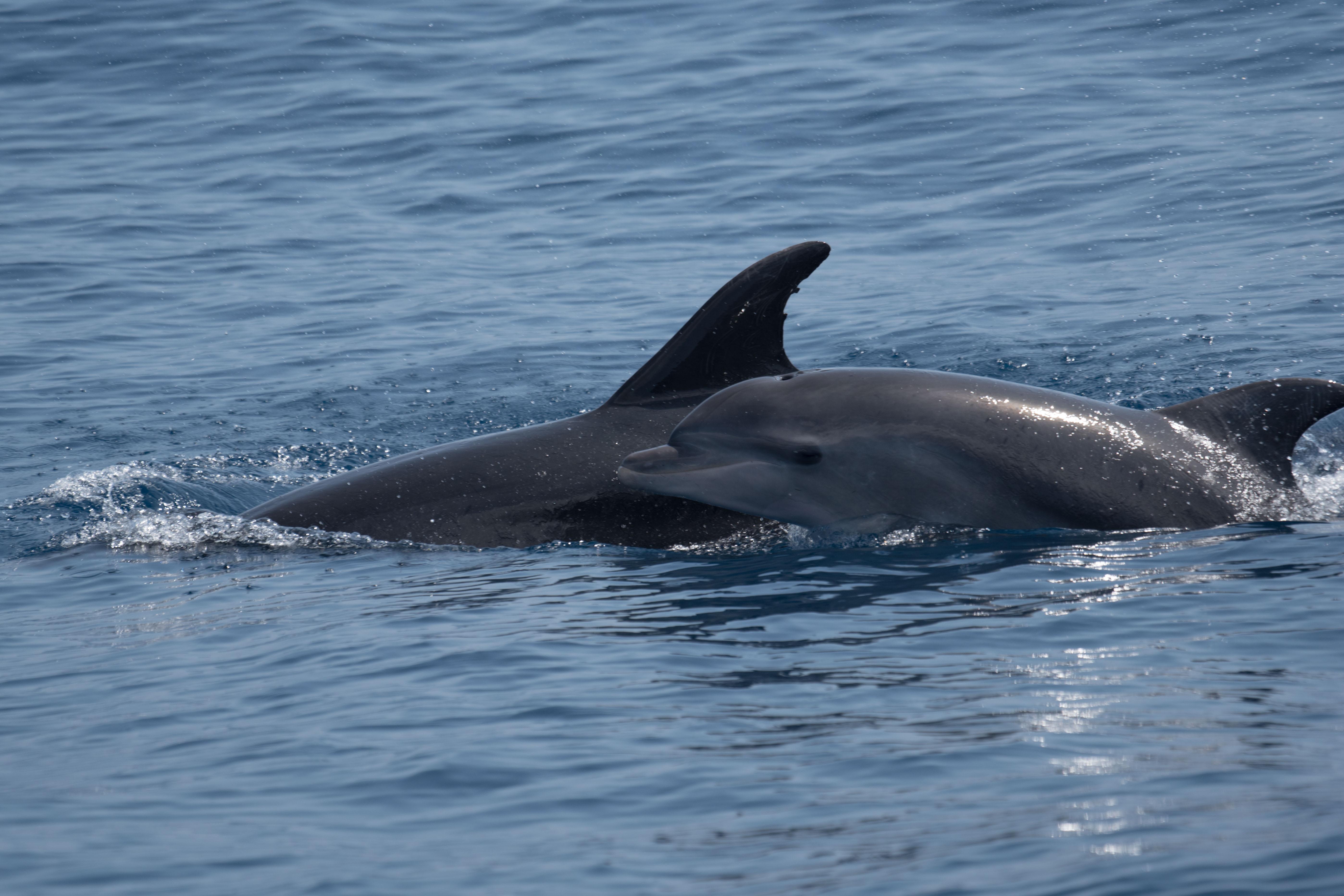
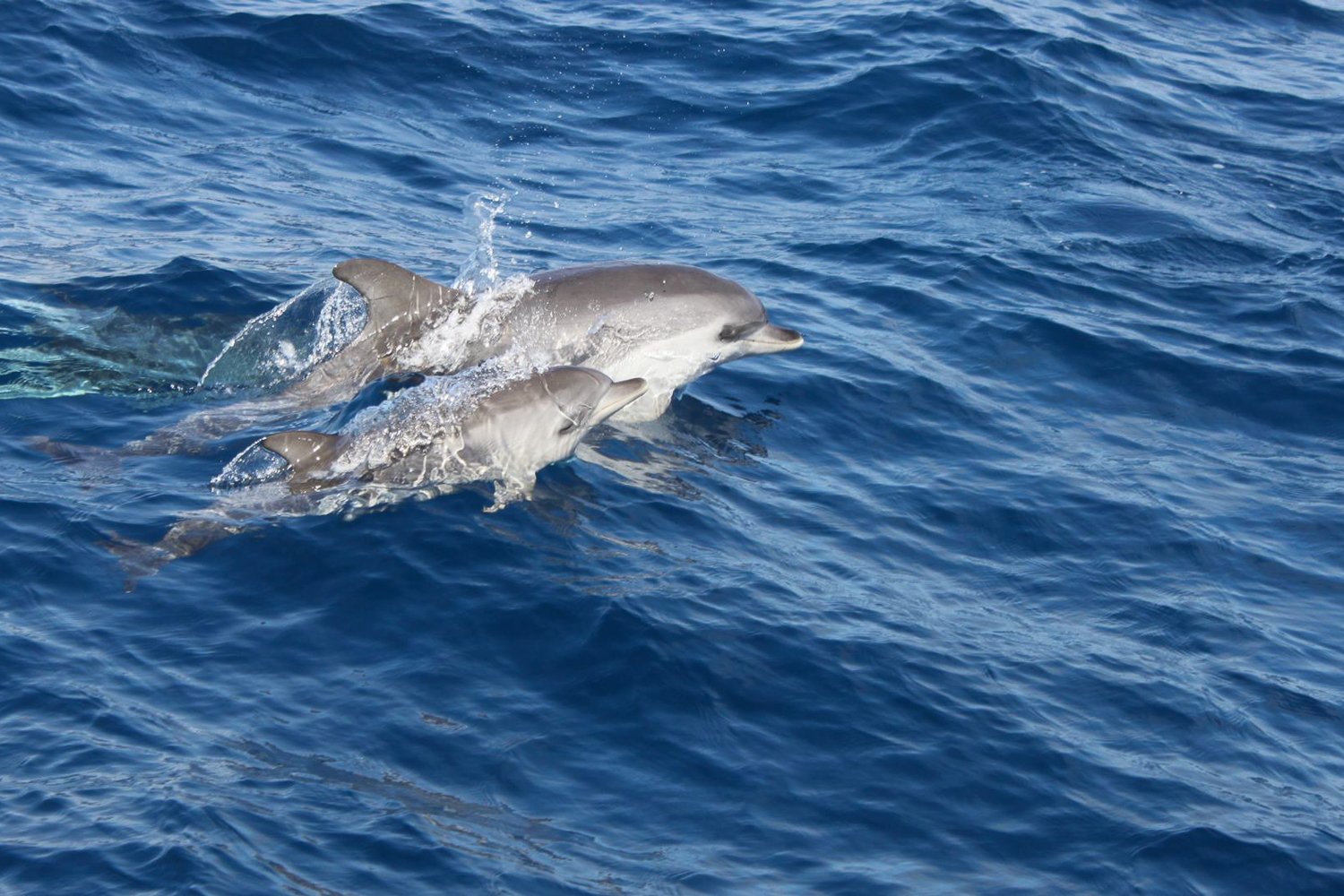
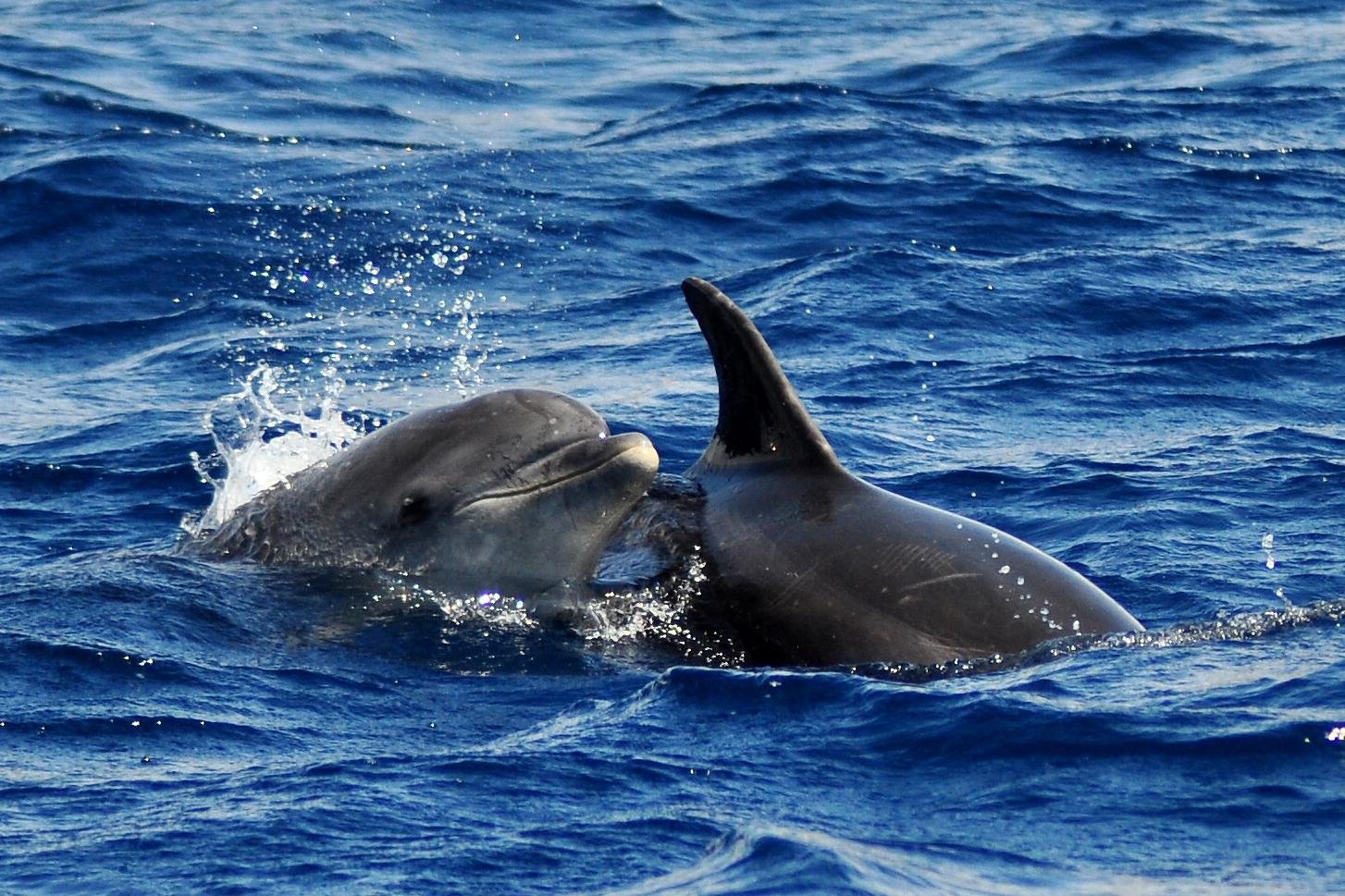
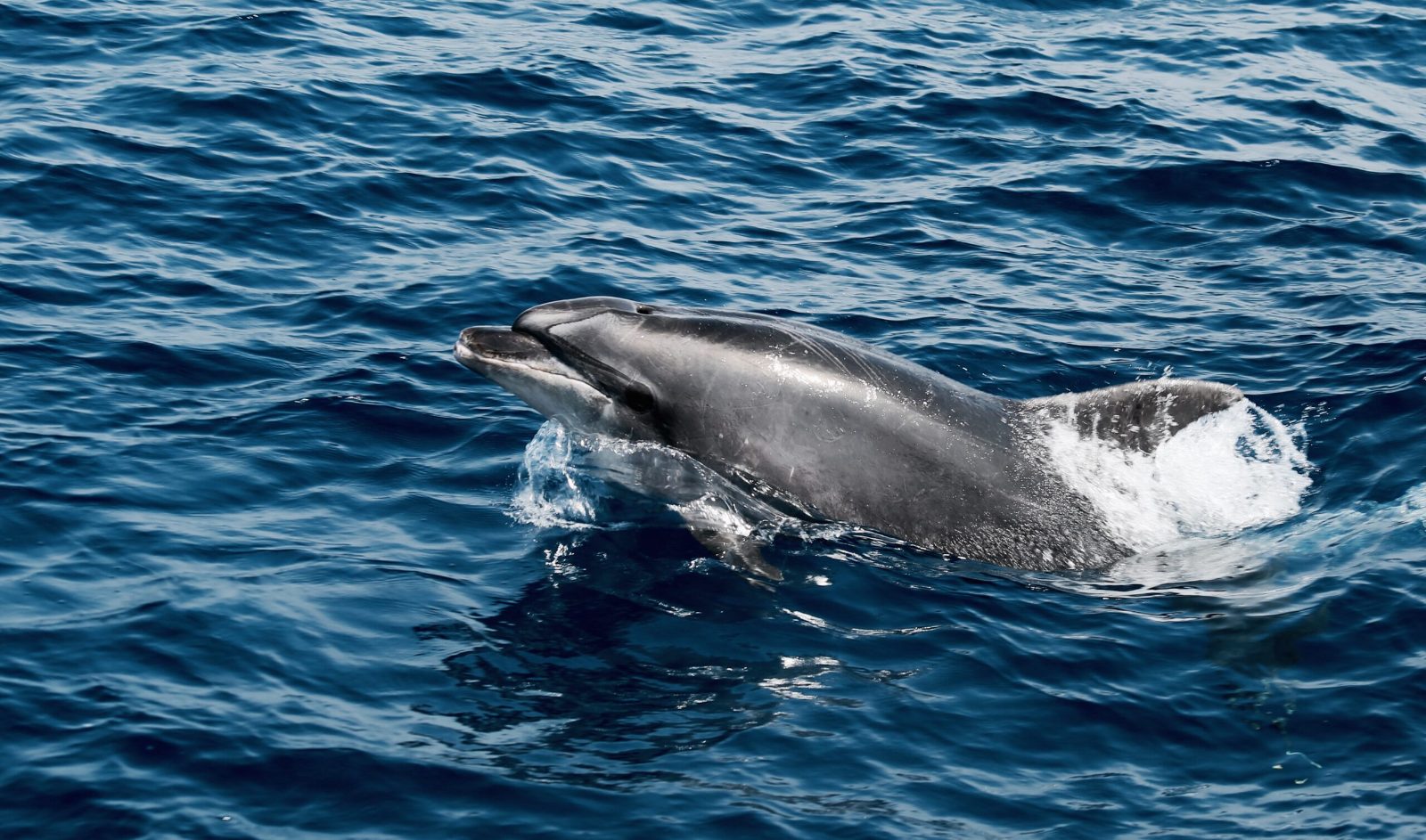
The vessel clears the harbor breakwater and accelerates northeast, Lanzarote's silhouette sharpening across the channel. Within twenty minutes, the captain cuts throttle: a pod of bottlenose dolphins materializes off the starboard bow, their grey backs arcing in perfect rhythm.

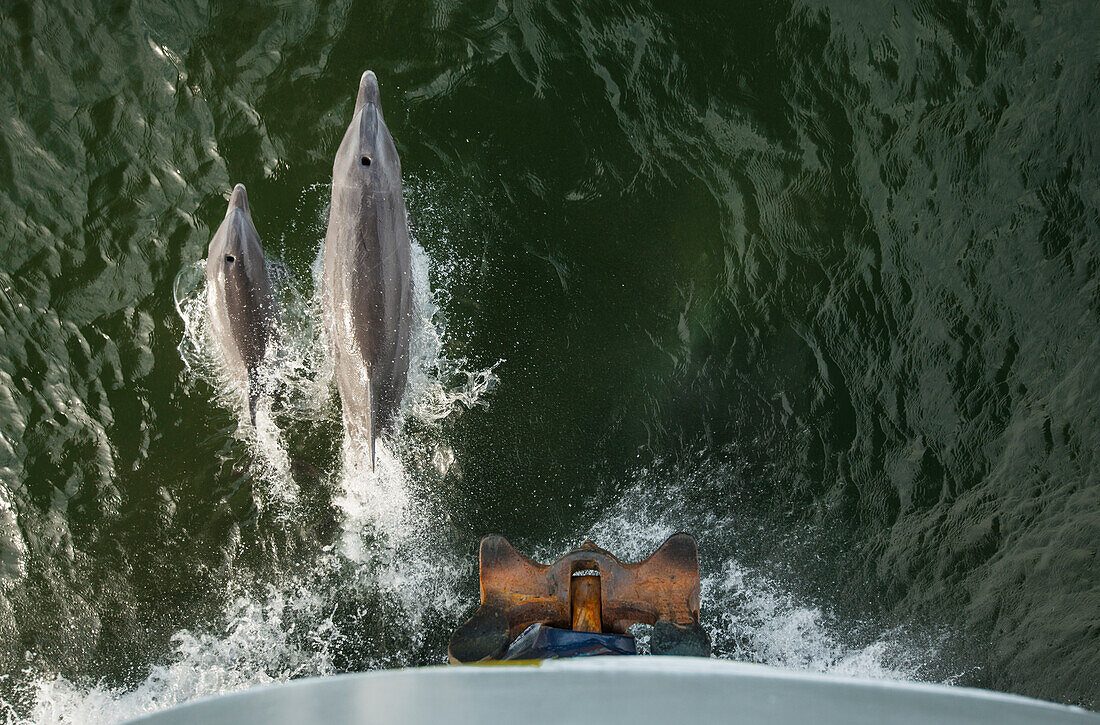
You move to the foredeck as dolphins ride the pressure wave, close enough to see scarring patterns that researchers use for individual identification. The catamaran drifts into deeper water, engines silent. A shout from the guide—pilot whales ahead, their blunt heads surfacing in coordinated exhalations. You count eleven animals, a multigenerational group lazily rolling through the swell. The youngest calf stays pressed to its mother's flank, learning breath intervals. After the observation window closes, the boat continues to Lobos Island. You anchor in a crystalline cove, snorkel over volcanic reefs where parrotfish graze and stingrays glide through eel grass meadows. The return crossing offers a second encounter—this time Atlantic spotted dolphins in a feeding frenzy, herding baitfish into tight spirals beneath circling shearwaters.

Whale Watching Fuerteventura Corralejo
Everything You Need to Know

Your complete Whale Watching Fuerteventura Corralejo guide

All the details about your upcoming adventure in one place

Corralejo's northern coastline marks one of the Canary Islands' richest cetacean corridors.

The channel between Fuerteventura and Lanzarote hosts year-round populations of short-finned pilot whales, bottlenose dolphins, and Atlantic spotted dolphins, drawn by deep submarine canyons that funnel nutrient-rich currents from the open Atlantic. Marine biologists estimate over 28 cetacean species transit these waters annually, from migratory fin whales in spring to resident Bryde's whales in summer months. The volcanic seabed drops to 1,200 metres within three nautical miles of Corralejo's harbor, creating upwelling zones where schools of sardines and mackerel attract apex predators.

Whale watching Fuerteventura Corralejo gained scientific legitimacy in the 1990s, when University of La Laguna researchers documented stable dolphin pods using echolocation to hunt in the Lobos Strait. Conservation efforts led to the declaration of the Teno-Rasca marine corridor in 2001, extending protective status to Fuerteventura's northwestern waters. Today, operators departing Puerto de Corralejo follow strict approach protocols: engines idle at 300 metres, no chase maneuvers, maximum 30-minute observation windows per pod. Blue Flag-certified tour vessels carry marine biology graduates who log sightings for the Canarian Cetacean Database, contributing to population monitoring efforts coordinated by the Spanish Ministry of Ecological Transition.

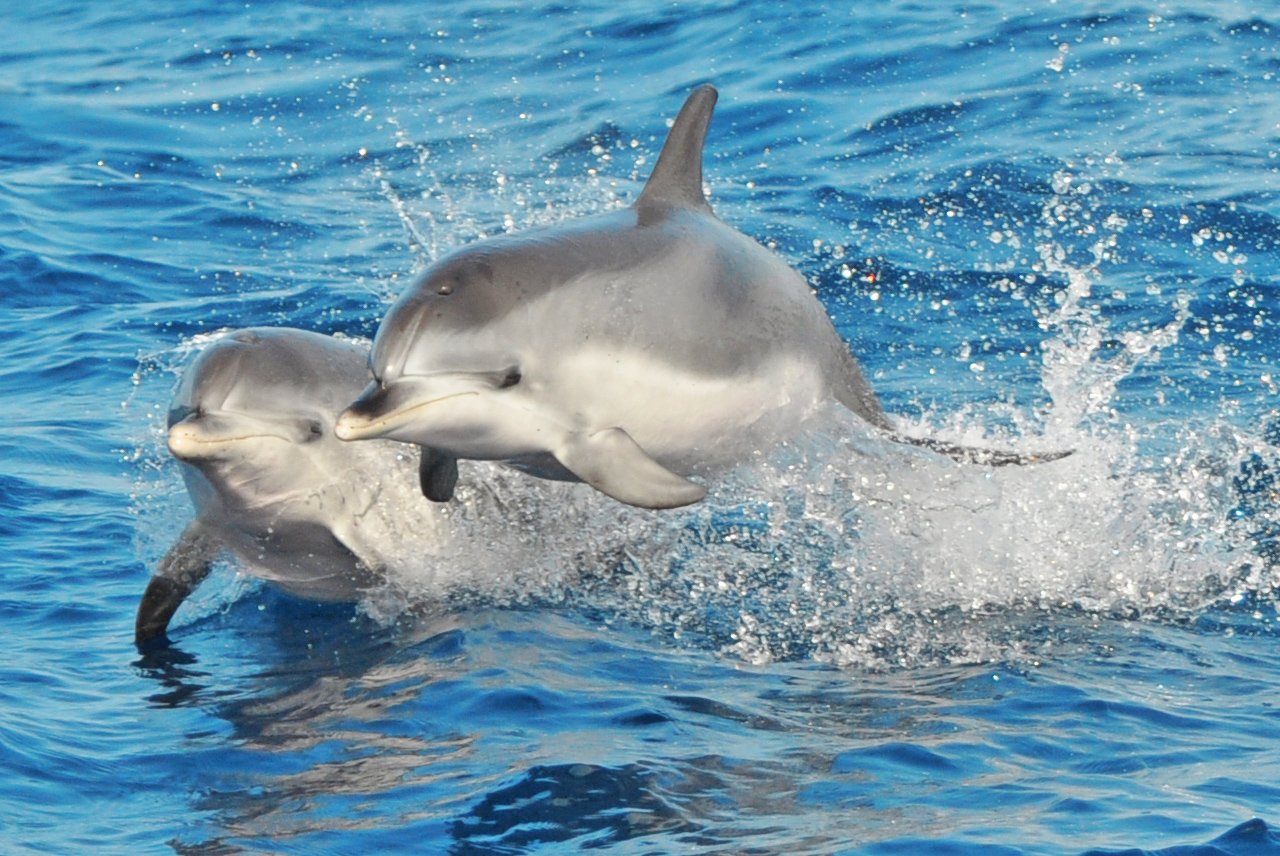
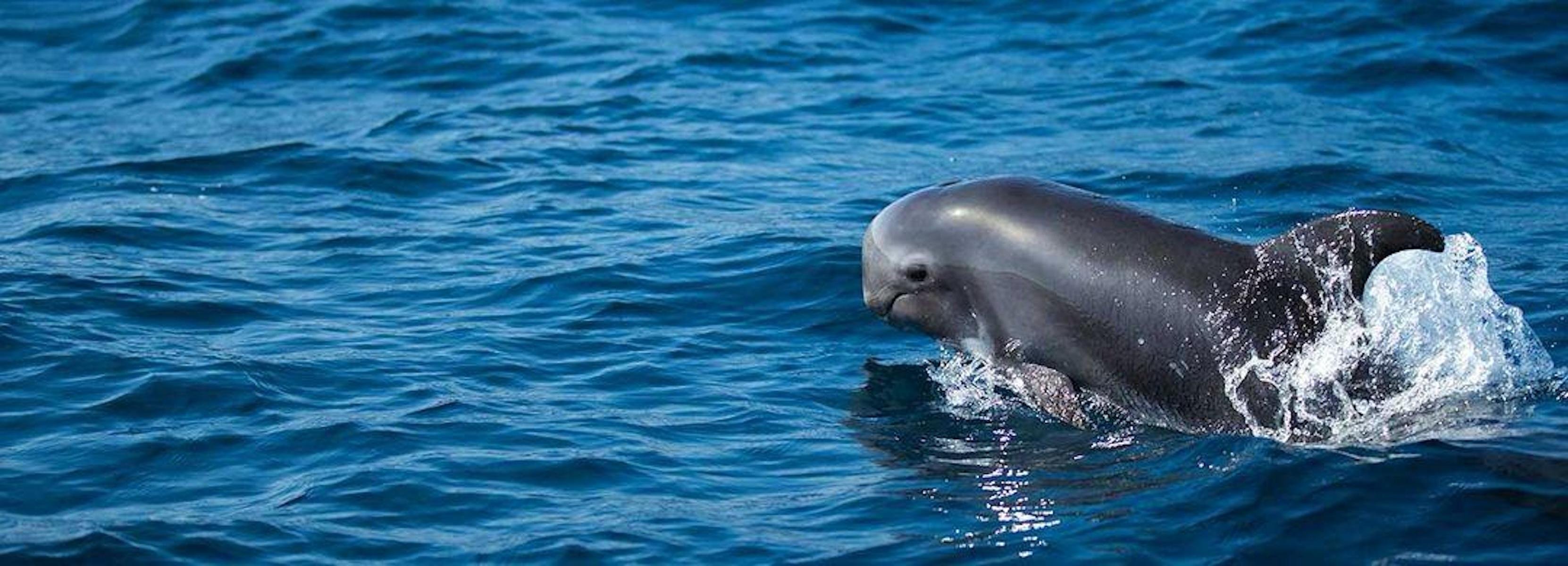
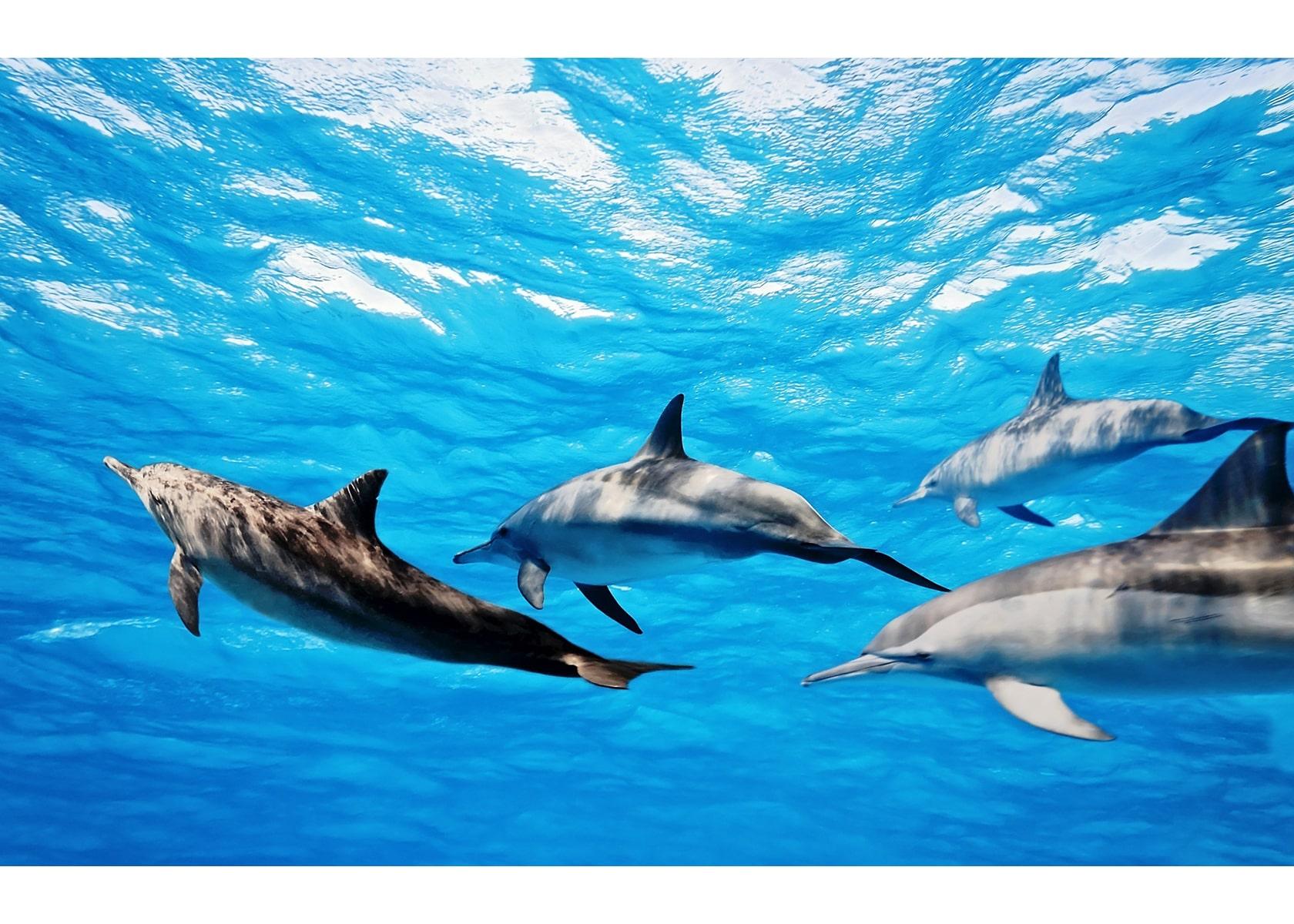
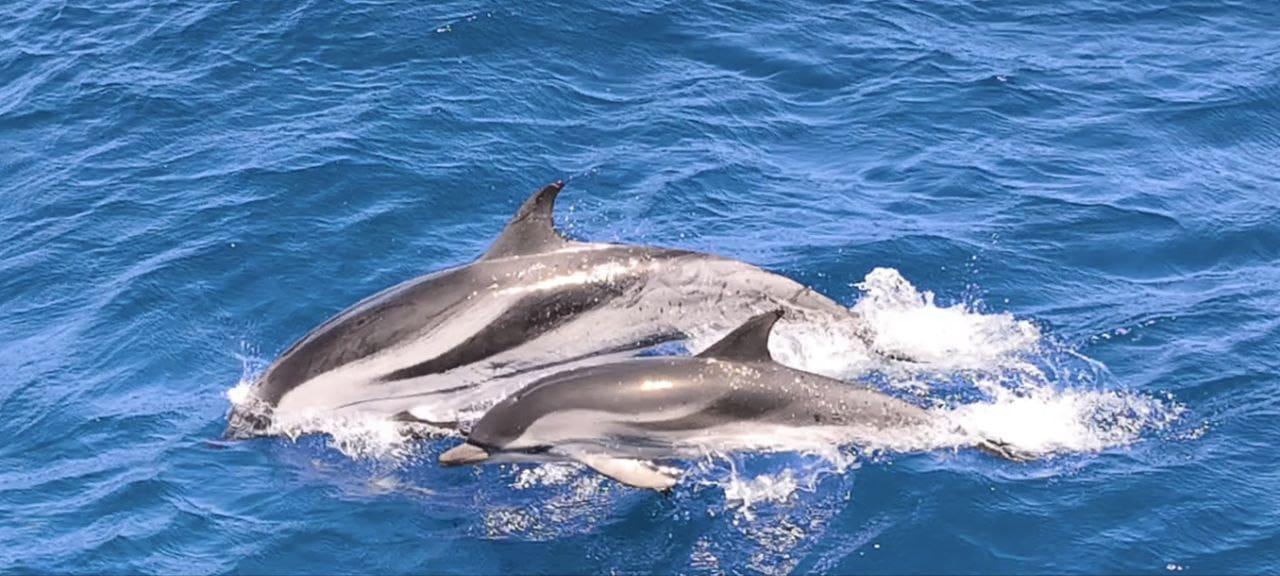
The caldera-shaped bay sheltering Corralejo provides year-round launch conditions, though autumn and winter months bring calmer seas and higher sighting reliability. Pilot whale matriarchal groups, identifiable by their bulbous foreheads and dark grey coloration, often surface in slow-moving rafts of 15 to 40 individuals. Bottlenose dolphins, by contrast, approach vessels in acrobatic displays, riding bow waves and executing synchronized breaches. Striped dolphins, recognizable by pale blue lateral stripes, appear in larger superpods exceeding 200 animals during migratory peaks. Tour routes typically track northeast toward Isla de Lobos, a volcanic islet ringed by turquoise shallows where loggerhead turtles bask and monk seal caves punctuate the basalt cliffs. The volcanic geology creates underwater amphitheaters where whale song reverberates—hydrophones deployed by SECAC research teams have recorded sperm whale clicks at depths exceeding 800 metres, evidence of the abyssal hunting grounds just offshore.


Marine biologists estimate over 28 cetacean species transit these waters annually, from migratory fin whales in spring to resident Bryde's whales in summer months.

Dress code

Wear comfortable, casual clothing suitable for a sea excursion. A windbreaker or light jacket is recommended as sea temperatures can be cool even during sunny days.

Bags & security

Space on board is limited; only bring necessary personal items in a small, soft-sided bag. Large suitcases or bulky gear are generally not permitted on whale watching fuerteventura corralejo tours.

Photography

Photography is encouraged during whale watching fuerteventura corralejo trips, but use a neck strap for cameras to prevent accidental drops. Protect equipment from salt spray with a water-resistant case.

Families & strollers

Whale watching fuerteventura corralejo tours are generally family-friendly, though minimum age requirements may apply depending on the operator. Always confirm child life vest availability when booking your whale watching fuerteventura corralejo tickets.

Accessibility

Boat accessibility varies significantly between operators in the Port of Corralejo. Contact your tour provider in advance to confirm if the specific vessel can accommodate mobility aids.

Food & drink

Most whale watching fuerteventura corralejo tours provide light snacks and refreshments on board. Consumption of personal food or drink should be cleared with the crew during check-in.

Not allowed

× Large suitcases × Drones × Alcohol × Sharp objects × Glass bottles × Tripods × Illegal substances × Professional filming equipment × Umbrellas

What to bring

✓ Sunscreen ✓ Sunglasses ✓ Windbreaker ✓ Swimsuit ✓ Towel ✓ Seasickness medication ✓ Comfortable shoes

Opening hours

Mon 09:00–18:30
Tue 09:00–18:30
Wed 09:00–18:30
Thu 09:00–18:30
Fri 09:00–18:30
Sat 09:00–18:30
Sun 09:00–18:30

How to get there

At a glance

Operating Hours

09:00–18:30

Address

Puerto de Corralejo, 35660 Corralejo, Fuerteventura, Spain

Accessibility

Varies by operator, please check specific vessel requirements

Best Window

09:00–14:00

Storage

Limited space on boats, keep personal items minimal

Region

Corralejo coastal waters

Getting there

Public transport · 30-60 min · Variable

Bus lines arrive at Corralejo station regularly.

Car · 15 min · Free

Paid and free parking available near the harbor.

Cancellation policy

Full refund available for cancellations made at least 24 hours before the whale watching fuerteventura corralejo tour. Some operators require earlier notice; verify your specific ticket terms for the 75 EUR typical adult price.

Plan your time

Planning Your Whale Watching Fuerteventura Corralejo Itinerary

Recommended time

3-4 hours

A typical boat excursion includes boarding procedures at Puerto de Corralejo and time spent observing marine life in the Atlantic. Booking whale watching fuerteventura corralejo tours ensures you have a scheduled departure, though arriving early allows for a calm check-in process. You should allocate extra time for potential maritime delays or equipment setup for your whale watching fuerteventura corralejo tour. Secure your whale watching fuerteventura corralejo tickets in advance to manage your boarding window effectively.

Crowd levels through the day

09:00–11:00 Light
11:00–13:00 Moderate
13:00–15:00 Peak
15:00–18:30 Moderate
Plan ahead

Best time to visit Whale Watching Fuerteventura Corralejo

Weather · crowds · average price — dots go green to amber to red as each metric rises.

Spring

Optimal for high biodiversity sightings and calm seas.

Insider tips

Helpful tips for visiting Whale Watching Fuerteventura Corralejo

Book Early

Reserve whale watching fuerteventura corralejo tickets at least 48 hours in advance to secure morning departure slots. Morning tours typically have calmer sea conditions and better lighting for photography.

Where to meet

Whale Watching Fuerteventura Corralejo meeting points

The story

The history of Whale Watching Fuerteventura Corralejo

Whale watching fuerteventura corralejo emerged in the late 1990s when local fishermen noticed growing numbers of cetaceans migrating through the strait between Fuerteventura and Lanzarote. The waters off Corralejo, part of the Canary Current upwelling system, had long attracted pilot whales and bottlenose dolphins. In 1998, a former fishing cooperative converted their first vessel for tourist excursions, marking the commercial birth of marine wildlife tours in the Puerto de Corralejo harbor. The industry expanded rapidly after Spain designated the surrounding waters a Special Area of Conservation under EU Habitats Directive in 2001. Operators adopted voluntary codes limiting approach distances and engine noise to protect resident cetacean populations. By 2005, seven licensed companies ran daily departures, establishing Corralejo as the Canary Islands' northern hub for responsible whale and dolphin encounters. The 2008 financial crisis forced consolidation, yet surviving operators invested in purpose-built catamarans with hydrophones and underwater viewing windows. Controversy erupted in 2012 when environmental groups documented vessels exceeding the recommended twenty-boat limit around a single pod. Fuerteventura's Cabildo responded with mandatory skipper certification and real-time tracking systems by 2014. These regulations, stricter than national standards, became a model for sustainable marine tourism across Atlantic archipelagos. Today's whale watching tours from Corralejo operate under a quota system capping daily departures, with biologists aboard twice-weekly monitoring trips collecting sighting data for the University of La Laguna's cetacean database. The harbor now serves as a research station where commercial tourism directly funds long-term population studies of short-finned pilot whales and Atlantic spotted dolphins.

Late 1990s

Fishermen document increasing cetacean activity in the strait between Fuerteventura and Lanzarote, prompting interest in wildlife tourism.

1998

First converted fishing vessel begins commercial whale watching departures from Puerto de Corralejo.

2001

EU designates surrounding waters a Special Area of Conservation, establishing legal protections for marine mammals.

2005

Seven licensed operators run daily tours, making Corralejo the northern Canary Islands' primary whale watching port.

2012

Environmental groups report overcrowding incidents, triggering regulatory review by Fuerteventura's island government.

2014

Mandatory skipper certification and vessel tracking systems implemented, setting new standards for sustainable cetacean tourism.

2020s

Quota system limits daily departures while onboard biologists contribute sighting data to university research programs.

Photo spots

Best photo spots at Whale Watching Fuerteventura Corralejo

Puerto de Corralejo Main Pier

Puerto de Corralejo Main Pier

Best light · 09:00–10:00

Position yourself near the edge of the boarding area to capture the vessel against the Lobos Island backdrop. This is where you begin your whale watching fuerteventura corralejo adventure before setting sail.

Gallery

Moments from Whale Watching Fuerteventura Corralejo

With kids

Whale Watching Fuerteventura Corralejo for Families

Embarking on a whale watching fuerteventura corralejo adventure allows children to see marine life in their natural habitat. Planning your trip carefully ensures a comfortable experience for passengers of all ages during these excursions.

Safety Briefings

Attend the mandatory pre-departure orientation where crew members explain life jacket locations and emergency procedures for families. Keeping children seated during departures helps maintain stability on the vessel as it leaves the harbor.

Age Recommendations

While many operators accept infants, the best ages for these trips are school-aged children who can follow instructions and remain seated. Please check whale watching fuerteventura corralejo tours inventory for specific infant safety policies and age-related fare reductions.

Pacing

Choose morning excursions between 09:00–14:00 to minimize exposure to rougher seas that often develop later in the day. Booking a whale watching fuerteventura corralejo tour during this window provides the most stable conditions for younger travelers.

Facilities

Most catamarans used for these ocean sightings have limited space, so plan to keep personal items to a minimum. Purchase your whale watching fuerteventura corralejo tickets in advance to ensure your group remains together on the same vessel.

Food & drink

Dining Near Your Whale Watching Fuerteventura Corralejo Departure Point

The harbor area offers several options for those planning a whale watching fuerteventura corralejo excursion, ranging from quick snacks to sit-down meals. Visitors will find various eateries within a short walk of the pier, perfect for relaxing after returning from your marine wildlife tour.

La Lonja

€€

Seafood Bistro

Located right at the port, this spot serves fresh catch of the day and local tapas. It is an ideal place to grab a meal after checking in for your whale watching fuerteventura corralejo tickets.

Bar La Parada

Café & Tapas

A casual venue offering coffee and light sandwiches, perfect for a quick bite before heading out on a whale watching fuerteventura corralejo tour. It stays busy during the morning rush, so consider arriving early if you have a scheduled departure.

El Horno

Bakery & Café

This traditional bakery is excellent for picking up pastries or savory snacks to enjoy near the sea. Their quick service makes it a convenient stop for those utilizing the whale watching fuerteventura corralejo tours.

FAQ

Whale Watching Fuerteventura Corralejo — frequently asked questions

Everything you need to know for your journey

Around the corner

More to see near Whale Watching Fuerteventura Corralejo

Lobos Island

20 min

Island

Small islet featuring natural pools and hiking trails.

Where to stay

Where to stay near Whale Watching Fuerteventura Corralejo

Avanti Lifestyle Hotel

5 min

boutique

Harbour-front property with ocean views.

Ready for Adventure?

Join thousands of happy travelers who have discovered this incredible experience

Book Your Experience Now